534 Lincoln Ave, Bellevue, PA 15202


Persistent Hoarseness or Difficulty Swallowing? The Role of Oral Cancer Screenings for Early Detection
Oral cancer is a serious condition that affects thousands of people each year. While many people are aware of the need to protect their skin from harmful UV rays, oral cancer often goes unnoticed until its later stages, when treatment can be more challenging. Early detection, however, can significantly improve the outcome for those diagnosed with oral cancer. One of the best ways to catch oral cancer early is through a routine oral cancer screening.
If you’ve noticed persistent hoarseness or difficulty swallowing, these could be early signs of oral cancer that need attention. The good news is that oral cancer screenings can help detect potential issues in their earliest stages, even before symptoms become severe. For Bellevue residents, regular screenings can help identify problems and ensure timely intervention.
Why Should You Consider Oral Cancer Screening?
Oral cancer, though often overlooked, is a potentially life-threatening condition. It can affect various areas of the mouth, including the lips, tongue, gums, and the inside of the cheeks. The most common signs of oral cancer include persistent hoarseness, difficulty swallowing, unexplained pain in the mouth or throat, and visible sores or lumps that do not heal.
While these symptoms might seem mild or unrelated to oral cancer at first, they can indicate a more serious issue. Regular screenings performed by your dentist can help catch these early signs before they develop into something more severe.
It’s important not to delay getting checked if you’re experiencing any of the warning signs. If you are considering oral cancer screenings in Bellevue, it can be a simple, quick, and non-invasive process. Early diagnosis means better treatment options and a higher rate of success. Let’s dive deeper into why oral cancer screenings matter and what you can expect during the process.
What Happens During an Oral Cancer Screening?
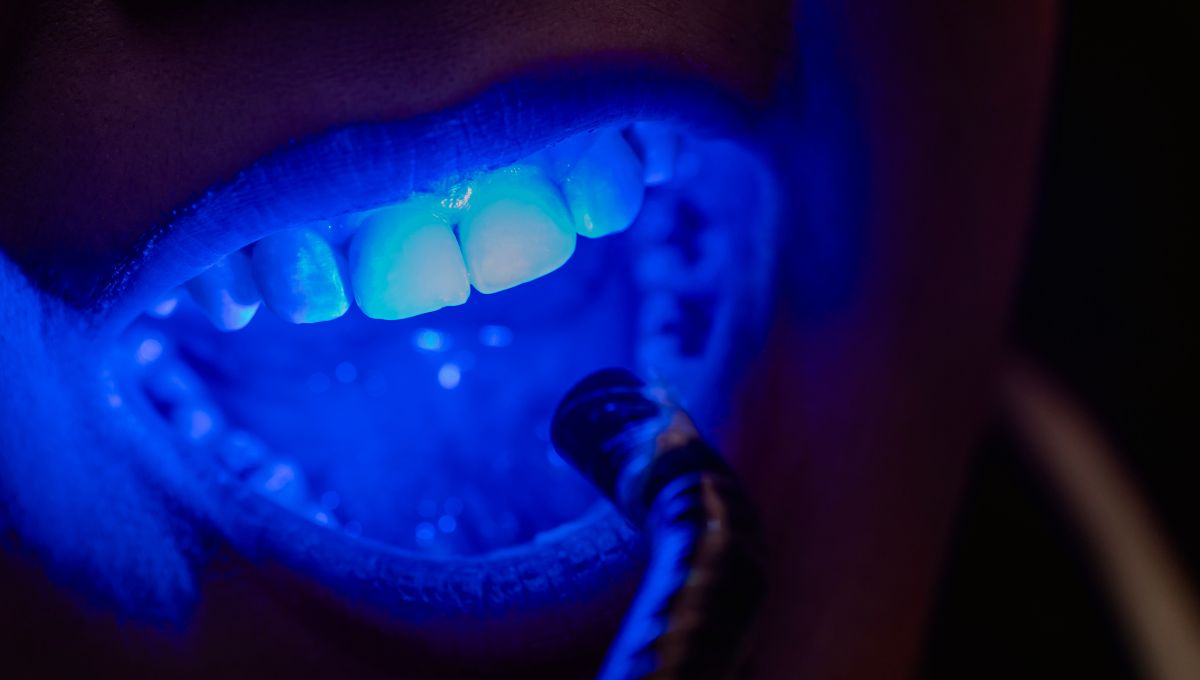
Oral cancer screenings are typically part of your routine dental visit and are usually completed by your dentist. The procedure involves a careful examination of your mouth, tongue, cheeks, and the area around your neck and jaw. Your dentist will look for any abnormalities such as lumps, lesions, or unusual red or white patches.
In addition to the visual examination, your dentist may also feel your neck and jaw area for any unusual swelling or tenderness. This process is completely non-invasive and can be done as a preventive measure during your regular checkup.
If your Bellevue dentist notices anything concerning, they might recommend further testing, such as a biopsy, to determine if cancer cells are present. However, most patients will receive a clean bill of health after a routine screening, as early detection of oral cancer typically means no significant issues are present.
Symptoms That Could Indicate the Need for a Screening
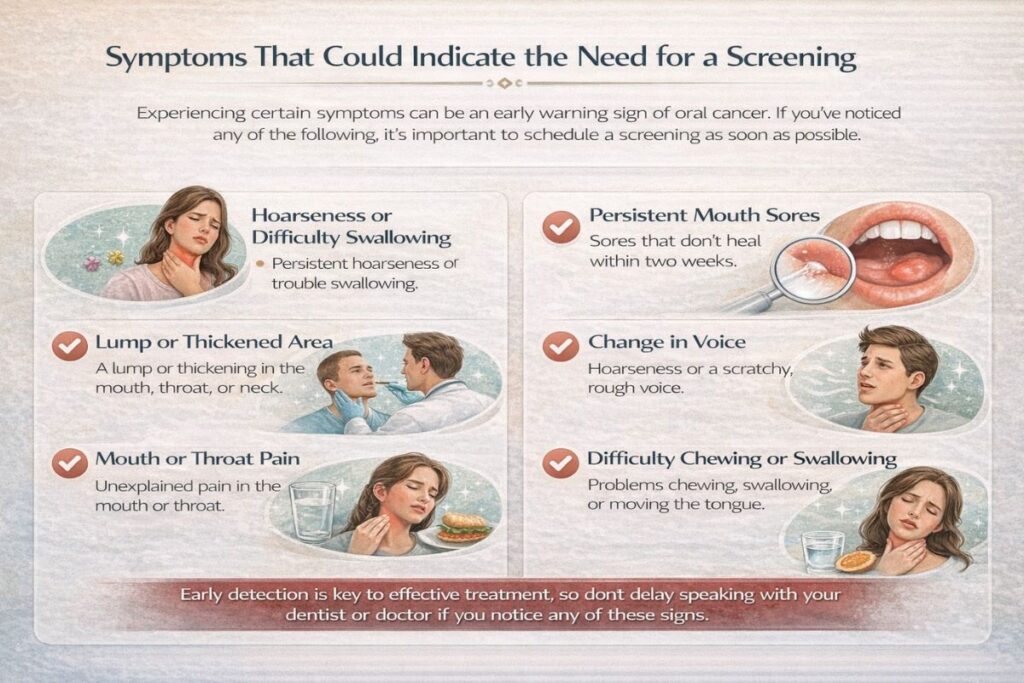
Persistent hoarseness and difficulty swallowing are two common symptoms that may indicate a more serious problem, including oral cancer. These issues might seem unrelated to oral health, but they can be early signs that shouldn’t be ignored.
Other symptoms of oral cancer include:
- Unexplained pain or tenderness in the mouth or throat
- Persistent mouth sores or ulcers that don’t heal
- A lump or thickening in the mouth, throat, or neck
- A change in the voice, such as hoarseness or a rough, scratchy sound
- Difficulty chewing, swallowing, or moving the tongue
If you’ve been experiencing any of these symptoms, it’s important to schedule an oral cancer screening as soon as possible. Many patients are surprised to learn that these symptoms are often linked to cancer, but by catching them early, treatment options become much more manageable.
Who Should Get an Oral Cancer Screening?
While everyone should consider oral cancer screenings, certain groups of people may be at a higher risk. Factors that increase the risk of developing oral cancer include:
- Tobacco use: Smoking or chewing tobacco significantly increases the risk of oral cancer.
- Excessive alcohol consumption: People who drink heavily are at a higher risk of developing oral cancer.
- Age: Oral cancer is more commonly diagnosed in individuals over the age of 50.
- HPV infection: The human papillomavirus (HPV), which is linked to certain types of oral cancers, is becoming an increasingly recognized risk factor.
Even if you don’t fall into one of these higher-risk categories, regular oral cancer screenings are still an important part of preventive care. It’s better to catch potential issues early, when treatment options are most effective.
How Does Early Detection Benefit You?
The key benefit of early detection of oral cancer is that it provides a wider range of treatment options and a higher chance of successful recovery. When detected early, oral cancer can often be treated with minor procedures, such as surgery to remove the cancerous tissue. In contrast, more advanced oral cancer may require intensive treatments like chemotherapy or radiation therapy.
Early-stage oral cancer may have little to no noticeable symptoms, which is why regular screenings are so important. A routine exam can help your dentist detect issues even before they become visible or cause discomfort.
What Should You Do If You Are Diagnosed with Oral Cancer?
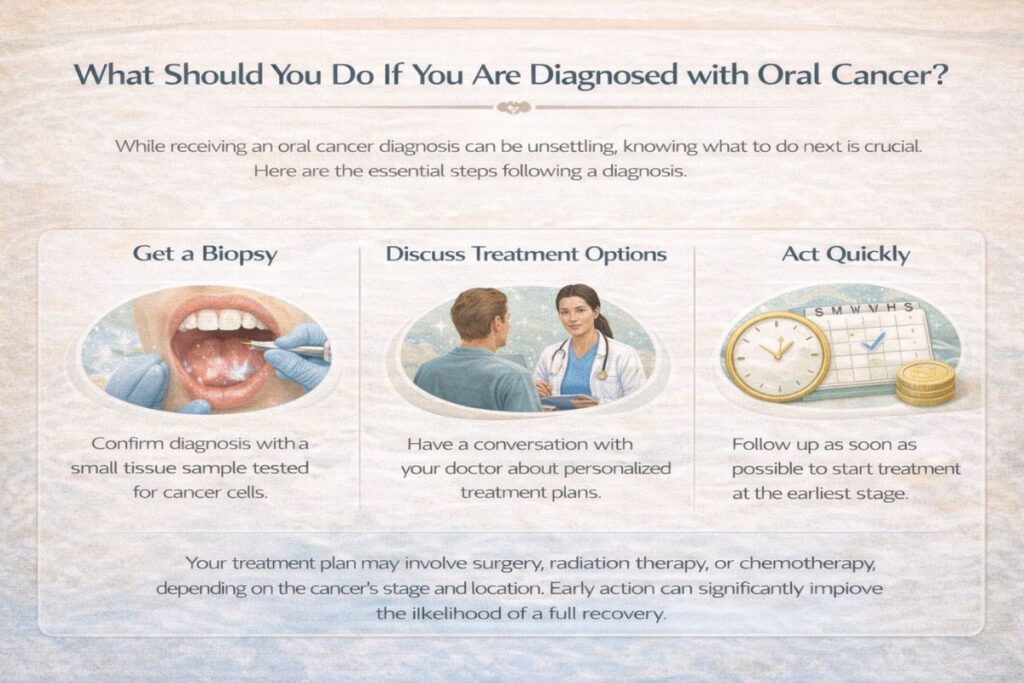
If an oral cancer screening reveals any abnormal findings, don’t panic. The next step is usually a biopsy, in which a small tissue sample is removed and tested for cancer cells. If the results show that you have oral cancer, your doctor or dentist will work with you to create a personalized treatment plan.
The treatment options for oral cancer vary depending on the stage and location of the cancer, but they may include surgery, radiation therapy, or chemotherapy. The earlier the cancer is detected, the more likely it is that you can undergo less invasive treatments and make a full recovery.
Protect Your Health with Oral Cancer Screenings
Incorporating oral cancer screenings into your routine dental care is one of the most important steps you can take to protect your health. At Monda & Weiss Family Dentistry, we emphasize the importance of these screenings for the early detection of oral cancer, which can significantly improve your chances of recovery and overall health outcomes.
If you’re experiencing persistent hoarseness or difficulty swallowing, it’s crucial to schedule an oral cancer screening with your dentist as soon as possible. Don’t wait for the symptoms to worsen; taking action early can make all the difference. Contact Monda & Weiss Family Dentistry today to schedule your next oral cancer screening and take charge of your health
Questions People Ask About Oral Cancer Screening
What is an oral cancer screening?
An oral cancer screening is a routine exam performed by your dentist to check for signs of cancer or other abnormalities in the mouth, throat, and neck. It involves a visual inspection and a physical exam of the neck and jaw area.
Why is it important to get an oral cancer screening?
Oral cancer screenings help detect early signs of oral cancer, which can be treated more effectively when caught early. They are essential for preventing the progression of cancer and improving recovery outcomes.
How often should I get an oral cancer screening?
You should have an oral cancer screening as part of your regular dental checkups, typically every six months. If you have risk factors, your dentist may recommend more frequent screenings.
Are oral cancer screenings painful?
No, oral cancer screenings are non-invasive and do not cause pain. The dentist will visually inspect your mouth and feel the areas around your neck and jaw for abnormalities.
What are the symptoms of oral cancer?
Common symptoms include persistent hoarseness, difficulty swallowing, mouth sores that don’t heal, and a lump or thickening in the mouth or neck. If you notice any of these, it’s important to get a screening.
What happens if my oral cancer screening is positive?
If your screening indicates any abnormalities, your dentist may recommend further tests, such as a biopsy, to confirm whether cancer is present. Early detection increases the chances of successful treatment.