534 Lincoln Ave, Bellevue, PA 15202



Dental Crowns in Bellevue, PA
Hearing that you need a dental crown can feel overwhelming. You might wonder whether it’s truly necessary or if there’s a simpler option. If your dentist just recommended a crown, here’s why Bellevue patients often receive this recommendation — and why it makes clinical sense. Understanding the reason helps you feel confident moving forward with your care.
At Monda & Weiss Family Dentistry, Dr. Kimberle Monda takes time to explain every recommendation clearly. A crown isn’t suggested lightly. It’s prescribed when your tooth needs structural protection that a simple filling simply cannot provide.
What Is a Dental Crown and Why Bellevue Dentists Recommend One
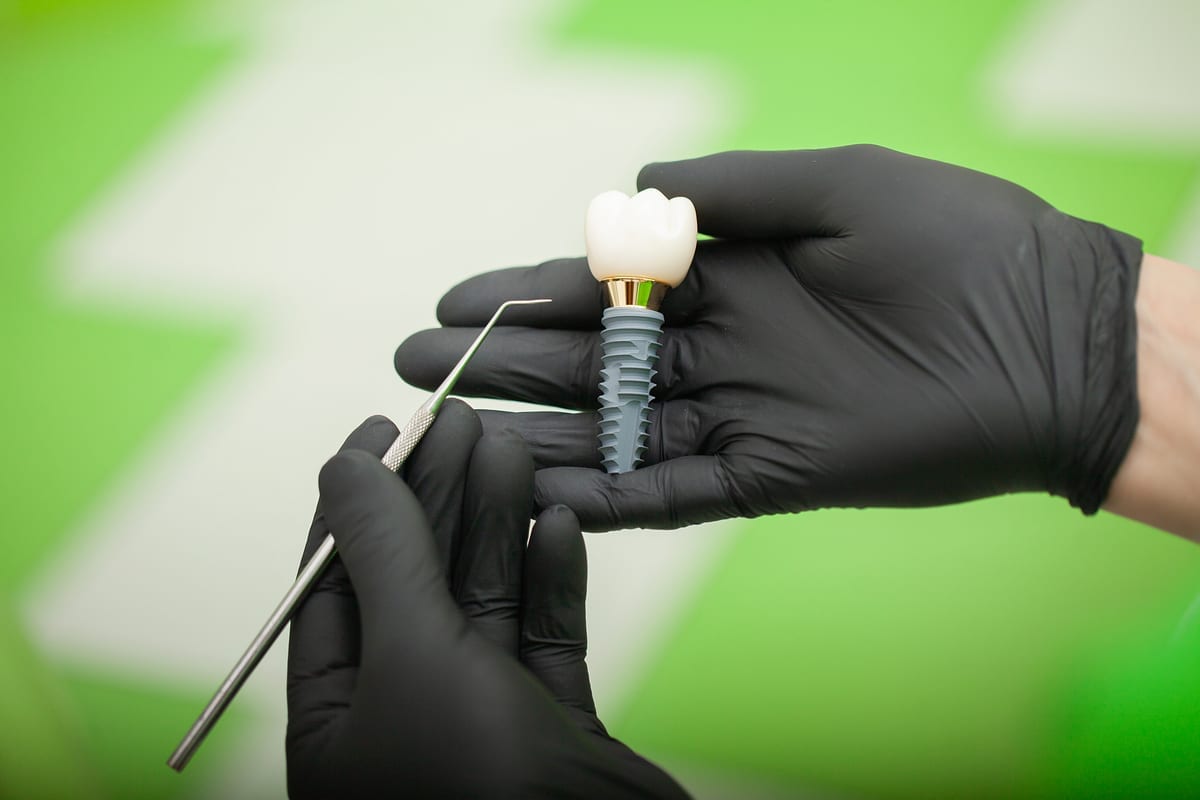
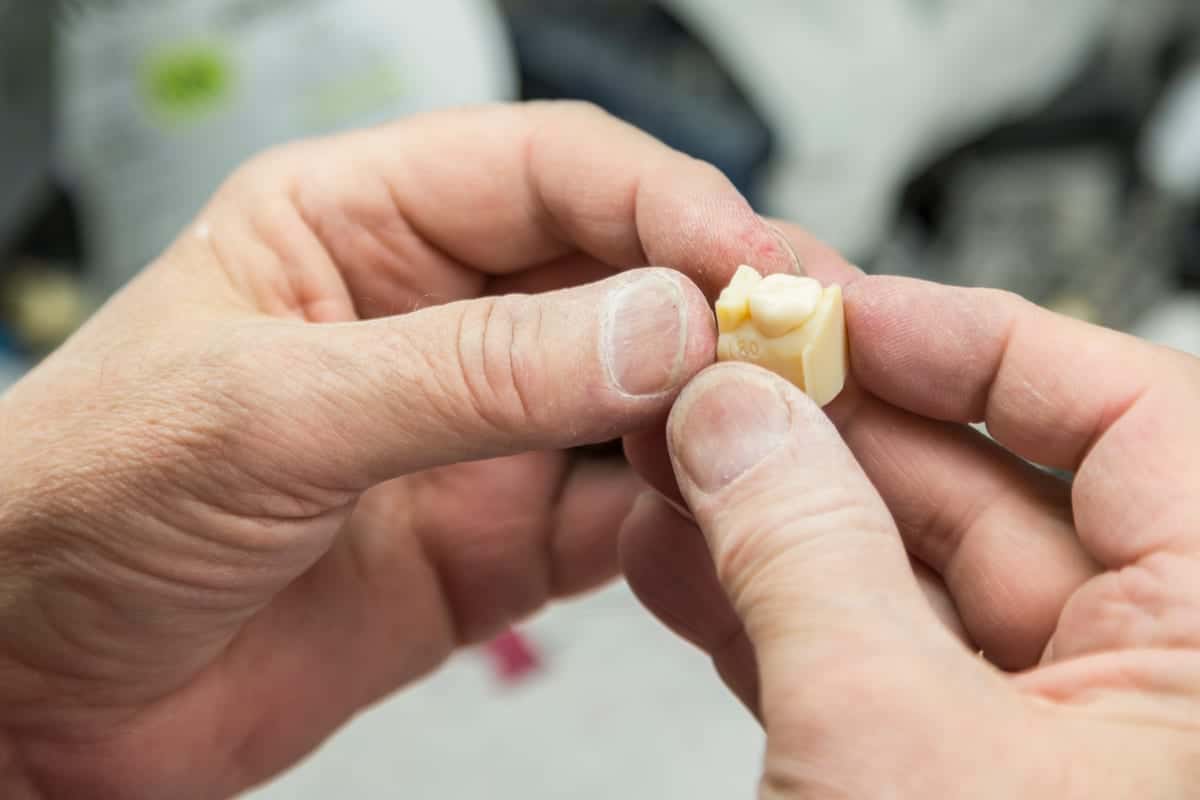
A dental crown is a custom-fitted cap that covers the entire visible portion of a tooth. It restores shape, strength, and function. Crowns are made from materials like porcelain, ceramic, or metal alloy. Each material offers specific advantages depending on where the tooth sits in your mouth.
Dentists recommend crowns when a tooth is too damaged for a filling to hold. The crown essentially becomes the tooth’s outer surface. It distributes biting forces evenly and prevents further fracture. Without a crown, a weakened tooth can split — sometimes beyond repair.
Understanding this recommendation is part of good patient education. When your dentist in Bellevue explains the clinical reason, the recommendation becomes much easier to accept. Let’s walk through the most common reasons a crown gets prescribed.
Four Clinical Reasons Your Dentist Recommends a Crown
There is rarely one single reason a crown is recommended. However, certain situations come up again and again in a dental practice. Here are the four most common clinical triggers:
- Cracked tooth: A crack weakens the tooth’s structure. Chewing creates stress that spreads the crack further over time. A crown holds the tooth together and stops that progression.
- Large filling failure: Old or oversized fillings can fracture or loosen. When too little natural tooth structure remains, a new filling won’t hold securely. A crown provides full coverage and lasting support.
- Post-root-canal protection: A tooth that has had a root canal becomes brittle. It loses its internal blood supply and dries out over time. A crown shields it from the pressure of everyday chewing.
- Broken or fractured cusp: A cusp is one of the pointed tips of a back tooth. When a cusp breaks off, the remaining tooth is uneven and vulnerable. A crown restores the proper shape and protects what remains.
Each of these situations involves a tooth that is structurally compromised. A crown is not cosmetic in these cases — it is a functional necessity. Skipping the crown often leads to tooth loss down the road.
The Crown Process: What to Expect at Our Bellevue Office
Many patients feel nervous about getting a crown. Knowing what to expect helps ease that anxiety. The process typically takes two appointments at our Bellevue office.
During the first visit, Dr. Monda prepares the tooth by reshaping it slightly. This creates space for the crown to fit naturally. She then takes a precise impression and places a temporary crown to protect the tooth.
Here is a simple breakdown of what happens across both appointments:
- Tooth preparation and reshaping during visit one
- Digital impressions or physical molds sent to the dental lab
- Temporary crown placed to protect the tooth between visits
- Permanent crown fitted and bonded securely during visit two
The entire process is designed to be comfortable. We offer Sedation Dentistry for patients who feel anxious about dental work. Dr. Monda and the team take every step to make you feel at ease.
Crowns and Your Overall Smile Health
A crown does more than fix a single tooth. It protects your bite alignment and prevents neighboring teeth from shifting. Losing a tooth — which can happen without timely crown placement — creates gaps that affect your entire bite.
Crowns also play a role in broader smile care. If a tooth is severely discolored or misshapen, a crown can dramatically improve its appearance. This connects closely to Cosmetic Dentistry, where the goal is both function and aesthetics working together.
For smaller chips or surface imperfections, Cosmetic Dental Bonding may be an alternative worth discussing. However, bonding is best for minor repairs. When structural damage is significant, a crown remains the stronger, longer-lasting choice.
Protecting a damaged tooth with a crown today also reduces your need for more complex treatments later. Dental implants or bridges become necessary when teeth are lost. Preventing that outcome is always the preferred path.
Benefits of Choosing a Crown When Your Dentist Recommends One
Some patients hesitate and delay treatment. Understanding the benefits makes it easier to move forward with confidence. Here is why acting promptly on a crown recommendation is wise:
- Stops cracks from spreading deeper into the tooth root
- Restores full chewing function on both sides of the mouth
- Protects a root-canal-treated tooth from fracturing
- Matches the natural color and contour of surrounding teeth
- Can last 10 to 15 years with proper care and regular checkups
- Prevents the more costly and complex treatments that come with tooth loss
Delaying treatment rarely makes the situation better. In most cases, a damaged tooth continues to deteriorate. Acting on your dentist’s recommendation sooner saves both the tooth and your long-term oral health.
Conclusion: Trust the Recommendation and Take Action
If your dentist just recommended a crown, here’s why Bellevue patients trust that guidance — it comes from a thorough clinical evaluation. Dr. Kimberle Monda at Monda & Weiss Family Dentistry only recommends crowns when they are genuinely needed. Her goal is always to preserve your natural tooth and protect your smile for the long term.
You don’t have to navigate this decision alone. Our friendly team is happy to walk you through the reasoning, the process, and all your options. We serve families across Bellevue, PA with honest, patient-centered care. Book Now to schedule your appointment with our team.
Frequently Asked Questions
How do I know if I really need a crown or just a filling?
A filling works well for small to moderate cavities with enough healthy tooth structure remaining. When a tooth is cracked, has a very large existing filling, or has undergone a root canal, a crown is the appropriate choice. Your dentist will use X-rays and a clinical exam to determine which option applies to your situation.
Does getting a crown hurt?
The procedure is performed with local anesthesia, so you should not feel pain during the appointment. Some mild sensitivity or soreness is normal for a few days after the tooth is prepared. Most patients find the experience very manageable, and we offer sedation options for those who feel anxious.
How long does a dental crown last?
A well-placed crown can last anywhere from 10 to 15 years or longer. Its lifespan depends on the material used, your oral hygiene habits, and whether you grind your teeth. Regular checkups at our Bellevue office help Dr. Monda monitor the crown and catch any wear early.
Can a crown fall off, and what should I do if it does?
Crown displacement is uncommon but can happen if the tooth underneath develops decay or if the cement weakens over time. If your crown comes loose or falls off, keep it safe and contact our office promptly. Dr. Monda will assess whether the crown can be re-cemented or if a replacement is needed.
Is a crown the same as a cap?
Yes — the terms crown and cap refer to the same restoration. Both describe a custom covering that fits over the entire visible portion of a damaged tooth. The word cap is simply an older, more informal term that patients sometimes use when describing the procedure.