534 Lincoln Ave, Bellevue, PA 15202


Does Dental Bonding Last? What Really Determines Your Results
If you’ve ever wondered, does dental bonding last, you’re asking exactly the right question before committing to treatment. Many patients in Avalon want beautiful, natural-looking smiles — but they also want results that hold up over time. Understanding what really determines your results in Avalon helps you make a smarter decision. The good news is that bonding can be a durable, affordable cosmetic option when you know how to protect it.
What Is Dental Bonding and How Does It Work?
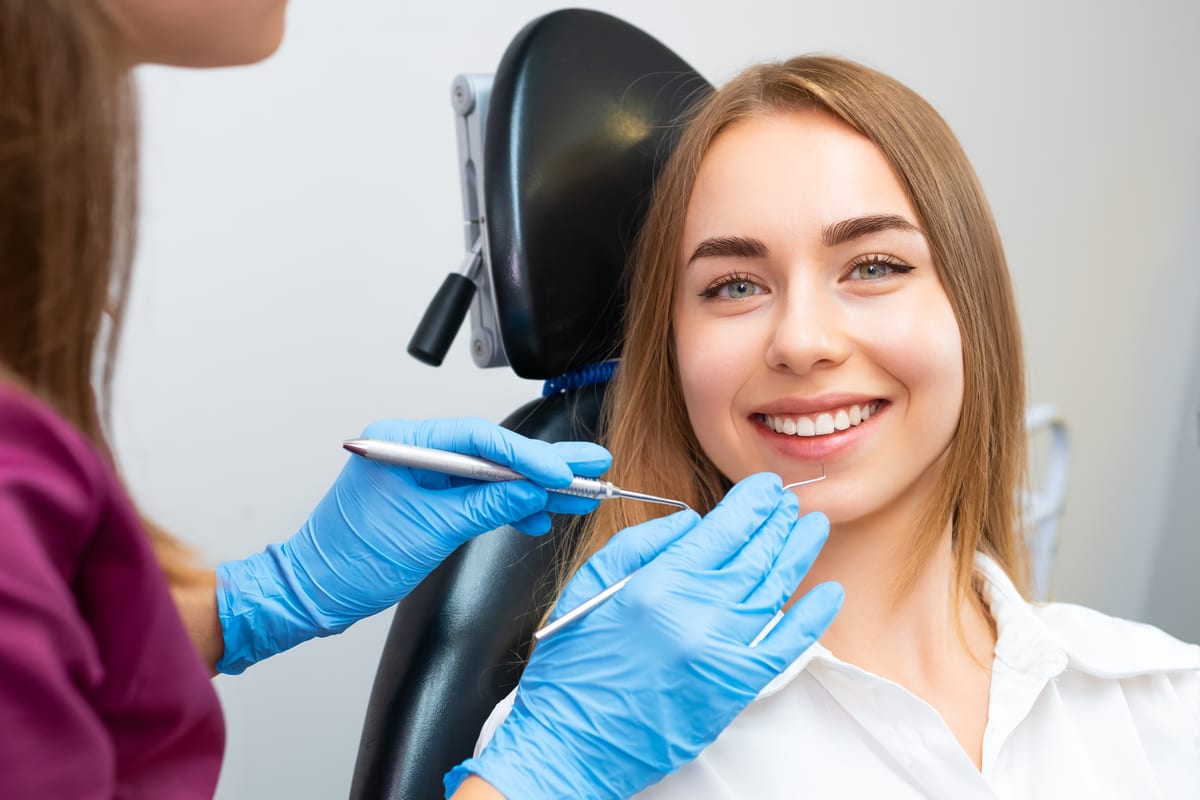
Dental bonding is a cosmetic procedure where a tooth-colored resin is applied directly to the tooth surface. Dr. Kimberle Monda at Monda & Weiss Family Dentistry uses bonding to repair chips, close gaps, and improve tooth shape. The process is quick, typically completed in a single visit. Unlike crowns or veneers, bonding requires minimal removal of natural tooth structure.
The resin bonds chemically to your enamel after a gentle conditioning process. A special curing light hardens the material in seconds. Your dentist then shapes and polishes the resin to blend seamlessly with surrounding teeth. The result looks natural and feels comfortable right away.
Does Dental Bonding Last? Understanding the Average Lifespan
On average, dental bonding lasts between five and ten years. However, that range varies quite a bit depending on several factors. Some patients in Avalon enjoy their bonded teeth for over a decade with proper care. Others may need touch-ups or replacements within a few years due to lifestyle habits.
Compare bonding to other cosmetic options to put longevity in perspective:
- Dental bonding: 5–10 years with good maintenance
- Porcelain veneers: 10–15 years or longer
- Dental crowns: 10–15+ years with proper care
- Teeth whitening: 6 months to 2 years before touch-up needed
Bonding does not last as long as veneers or crowns. However, it costs less and preserves more natural tooth structure. For many patients, it offers an excellent balance of aesthetics and value. Knowing the lifespan helps you plan and budget realistically.
What Patient Habits Most Affect Durability in Avalon
Your daily habits play the biggest role in how long your bonding holds up. The composite resin used in bonding is strong, but it is not as hard as natural enamel or porcelain. Certain behaviors place extra stress on the material and shorten its lifespan significantly. Being aware of these habits gives you real control over your results.
Habits that reduce bonding longevity include:
- Biting fingernails or chewing on pens
- Eating hard foods like ice, hard candies, or crusty bread
- Grinding or clenching teeth, especially at night
- Using teeth to open packages or bottles
- Consuming heavily pigmented foods and beverages frequently
Coffee, tea, red wine, and berries can stain bonding resin over time. Unlike natural enamel, bonded resin cannot be whitened once it discolors. Quitting smoking also matters — tobacco causes significant staining on bonded surfaces. Making small daily changes can dramatically extend your results.
If you grind your teeth at night, ask Dr. Monda about a custom nightguard. Grinding places tremendous pressure on bonded teeth and can crack or chip the resin quickly. A nightguard is a simple, affordable solution that protects your investment. Many Avalon patients don’t realize they grind until their dentist notices wear patterns during a checkup.
How to Maintain Dental Bonding for Longer-Lasting Results
Good oral hygiene is the foundation of lasting bonding results. Brush twice daily with a soft-bristled toothbrush and non-abrasive toothpaste. Abrasive whitening toothpastes can scratch the resin surface over time. Floss daily to keep gum tissue healthy around bonded teeth.
Schedule regular professional cleanings at Monda & Weiss Family Dentistry every six months. Your hygienist uses safe polishing techniques that won’t damage bonded surfaces. Routine visits also give Dr. Monda a chance to catch early signs of wear or chipping. Catching small issues early prevents the need for full replacement.
Avoid using harsh mouthwashes that contain high concentrations of alcohol. Alcohol-based rinses can weaken the bond between resin and enamel over time. Choose an alcohol-free fluoride rinse instead to strengthen surrounding enamel. Ask our team for product recommendations during your next visit.
When Bonding May Not Be the Right Long-Term Solution
Dental bonding is an excellent choice for many cosmetic concerns, but it isn’t ideal for every situation. Patients with significant bite issues or heavy grinding may be better suited to porcelain veneers or crowns. Teeth that experience heavy chewing force may cause bonding to chip more frequently. Dr. Monda evaluates each patient individually to recommend the most durable option.
For patients who need to replace a missing tooth entirely, Dental Implants Avalon offer a permanent, long-lasting solution that bonding cannot provide. Implants integrate with your jawbone and can last a lifetime with proper care. They are the gold standard for tooth replacement in modern dentistry. Talk to Dr. Monda to determine which option fits your specific needs and goals.
Families with younger patients should also know that children’s dental needs differ from adults. Our Pediatric Dentistry Avalon services focus on age-appropriate treatments that support healthy development. Bonding is sometimes used in pediatric cases to repair chipped or fractured baby or permanent teeth. Dr. Monda tailors every treatment plan to the patient’s age and oral health stage.
Conclusion: Your Bonding Results Start With the Right Information
So, does dental bonding last? The answer depends far more on you than on the material itself. Patients in Avalon who maintain great habits, attend regular checkups, and protect their teeth consistently enjoy bonding results that exceed expectations. The procedure is a smart, cost-effective cosmetic option when you understand its realistic lifespan. Armed with the right knowledge, you can make confident decisions about your smile. Book Now to schedule your appointment with our team.
Frequently Asked Questions
Does dental bonding last as long as veneers?
Dental bonding typically lasts five to ten years, while porcelain veneers can last ten to fifteen years or more. Veneers are made from a stronger material and resist staining better than composite resin. Bonding is a great starting point for cosmetic improvement, but veneers may offer longer-term value for some patients. Dr. Monda can help you compare both options during a consultation.
Can dental bonding be repaired if it chips?
Yes, chipped or cracked bonding can usually be repaired quickly and easily. Your dentist adds fresh composite resin to the damaged area and reshapes it to match the original. This makes bonding one of the most maintainable cosmetic treatments available. Repair visits are typically short and comfortable.
Will my bonded teeth stain over time?
Composite resin is more porous than porcelain and can absorb pigment from foods and beverages. Coffee, red wine, tea, and tobacco are the most common causes of discoloration. Unlike natural enamel, bonding resin cannot be whitened with bleaching treatments. Reducing staining foods and scheduling regular cleanings helps keep bonded teeth looking bright.
Is dental bonding painful?
Most dental bonding procedures require no anesthesia and cause minimal discomfort. The process involves conditioning the tooth surface gently before applying resin. Patients usually feel little to nothing during the procedure. If bonding is placed near a sensitive area, Dr. Monda may apply a topical numbing agent for added comfort.
How do I know if dental bonding is right for me?
Bonding works well for minor cosmetic corrections like chips, gaps, discoloration, and slightly misshapen teeth. It is best suited for patients with healthy gums and no significant bite issues. A consultation with Dr. Kimberle Monda at Monda & Weiss Family Dentistry will help determine whether bonding, veneers, or another treatment fits your goals. Every smile is unique, and personalized advice leads to the best outcomes.