534 Lincoln Ave, Bellevue, PA 15202



Cosmetic Dentistry Care in Bellevue, PA
You’ve invested in your smile — and that investment deserves lasting protection. Your Beautiful Smile Investment: A Guide to Long-Term Cosmetic Dentistry Care in Bellevue starts with understanding that great results don’t maintain themselves. Whether you’ve had veneers, whitening, or bonding, the right habits make all the difference. At Monda & Weiss Family Dentistry, Dr. Kimberle Monda helps patients in Bellevue, PA protect their results for years to come.
Why Long-Term Cosmetic Dentistry Care Matters in Bellevue
Cosmetic dental work is durable — but it isn’t indestructible. Treatments like crowns, bonding, and whitening respond to your daily habits over time. Neglecting care can shorten the lifespan of your results significantly. Patients who commit to maintenance enjoy beautiful smiles that last far longer.
Many people assume cosmetic work is a one-and-done solution. In reality, every treatment has a lifespan that depends on how well you care for it. Understanding what affects your results helps you make smarter daily choices. That awareness is the foundation of long-term smile success.
Bellevue residents lead busy lives, and dental care can fall to the bottom of the priority list. But small, consistent habits protect your investment better than any single treatment. Think of maintenance as the ongoing care your smile deserves. It’s far easier — and more affordable — than redoing work that wore out too soon.
What to Avoid After Cosmetic Dental Treatments
Certain habits can damage cosmetic work faster than you might expect. Knowing what to avoid gives your smile its best chance of lasting. Dr. Monda recommends that patients be mindful of a few key behaviors after treatment. Prevention is always easier than repair.
Here are common habits that can compromise your cosmetic dental results:
- Chewing on ice or hard objects — This can chip veneers, crack crowns, or fracture bonded teeth.
- Grinding or clenching your teeth — Bruxism wears down restorations and weakens your natural enamel over time.
- Consuming staining foods and drinks — Coffee, red wine, and berries can discolor whitening results and composite bonding.
- Using teeth as tools — Opening packages or biting nails puts unnecessary stress on dental work.
- Skipping your nightguard — If Dr. Monda has prescribed one, wearing it protects restorations while you sleep.
Tobacco use is another major threat to cosmetic results. Smoking stains teeth and restorations quickly and compromises gum health. Healthy gums are essential for the longevity of implants, veneers, and crowns. Quitting tobacco is one of the most impactful things you can do for your smile.
Daily Habits That Protect Your Smile Investment
Great long-term results come from consistent, simple daily habits. The good news is that none of these require major lifestyle changes. Small adjustments add up to significant protection over time. Your smile will thank you for the effort.
Start with a strong oral hygiene routine every single day. Brush twice daily with a soft-bristled toothbrush and non-abrasive toothpaste. Floss once a day to remove plaque between teeth and around restorations. A water flosser can be especially helpful around dental implants or crowns.
Consider these easy daily habits to extend the life of your cosmetic work:
- Use a straw for staining beverages — This reduces direct contact with veneers and bonded teeth.
- Rinse with water after meals — It neutralizes acids and washes away surface stains before they set.
- Choose a whitening-safe toothpaste — Avoid highly abrasive formulas that scratch composite resin surfaces.
- Stay hydrated throughout the day — Saliva is your mouth’s natural defense against bacteria and decay.
- Wear a mouthguard during sports — Physical impact can damage even the most durable cosmetic restorations.
Diet plays a bigger role than most patients realize. Acidic foods weaken enamel and can affect the edges of bonded restorations. Crunchy, hard foods should be eaten carefully, especially near crowned teeth. Balanced nutrition supports gum health, which underpins all cosmetic and restorative work.
How Cosmetic Dental Bonding and Other Treatments Require Specific Maintenance
Different cosmetic treatments have unique care requirements. Understanding what your specific work needs helps you tailor your routine. Dr. Monda takes time to walk every patient through personalized aftercare instructions. That guidance is a key part of treatment at Monda & Weiss Family Dentistry.
Dental bonding, for example, is more porous than porcelain. It can pick up stains from coffee, tea, and wine more readily. Polishing during routine cleanings helps keep bonding looking fresh. Replacing bonding every five to ten years is normal with proper care.
Porcelain veneers are more stain-resistant but still need thoughtful care. Avoid biting directly into very hard foods with veneered teeth. Teeth whitening products don’t affect porcelain — so maintain your natural teeth alongside your veneers for a consistent look. Professional cleanings keep the margins of veneers clean and healthy.
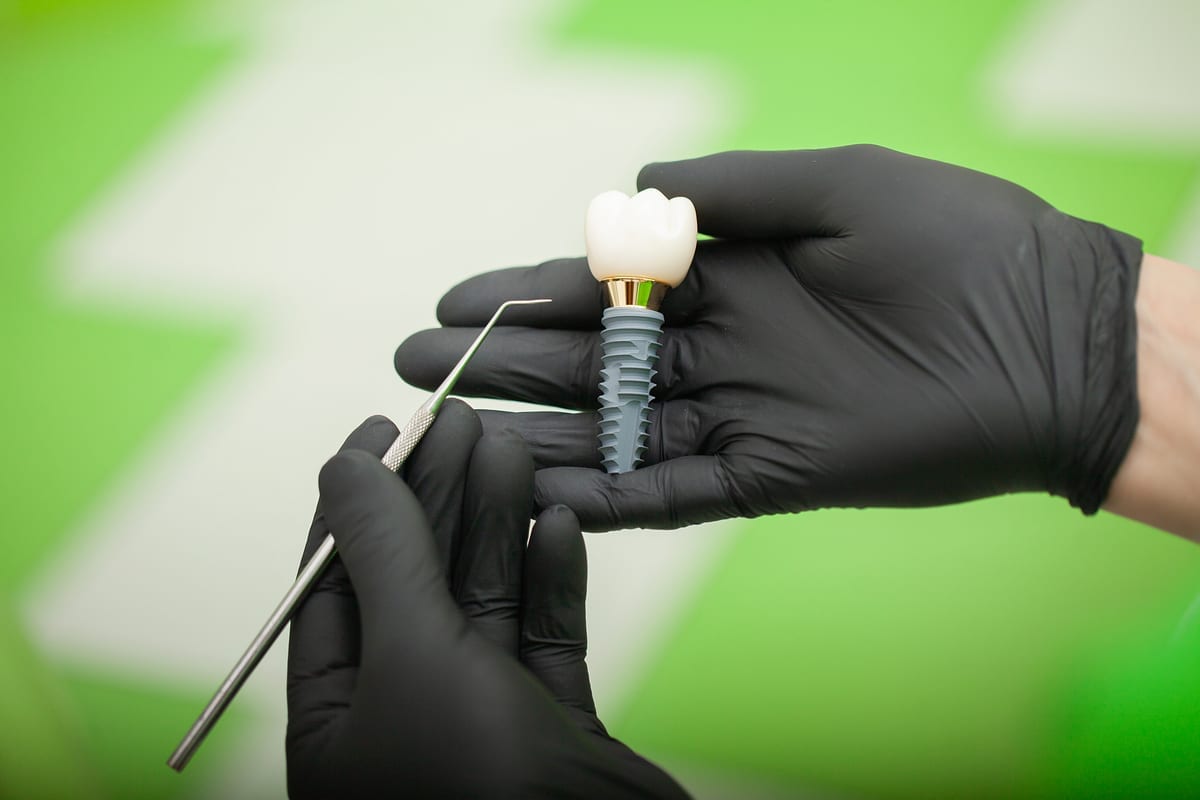
Dental implants are the most durable cosmetic solution available. But they still require diligent gum care to avoid peri-implant disease. Flossing around implants daily is non-negotiable. Routine visits allow Dr. Monda to monitor implant health and catch any issues early.
When to Schedule Maintenance Visits With Dr. Monda
Regular professional care is the backbone of any long-term cosmetic maintenance plan. Most patients benefit from visits every six months. However, Dr. Monda may recommend more frequent checkups depending on your treatment history. Consistent visits catch small issues before they become costly problems.
During maintenance appointments, the hygiene team gently polishes your restorations. Dr. Monda checks the integrity of crowns, veneers, bonding, and implants. She also evaluates your gum health, bite alignment, and signs of grinding. These visits are a proactive investment in the longevity of your smile.
Teeth whitening touch-ups are another important part of the maintenance schedule. Even well-cared-for smiles experience gradual color change over time. Professional touch-ups restore brightness more effectively than over-the-counter options. Ask Dr. Monda how often touch-ups make sense for your specific case.
If you notice any changes — sensitivity, chips, or shifting — don’t wait until your next scheduled visit. Contact Monda & Weiss Family Dentistry promptly for an evaluation. Early intervention almost always means simpler, less involved treatment. Protecting your investment means acting quickly when something feels off.
Your Long-Term Smile Partner in Bellevue, PA
Caring for cosmetic dental work is a partnership between you and your dental team. Dr. Kimberle Monda and the team at Monda & Weiss Family Dentistry are committed to helping Bellevue patients enjoy lasting, beautiful smiles. From your first consultation to every maintenance visit, we’re here to guide you. Your smile is worth protecting — and we’re honored to help you do it.
The key takeaways are simple: avoid damaging habits, build a strong daily routine, understand your specific treatment needs, and keep your scheduled visits. These steps give your cosmetic work the best possible lifespan. Every patient deserves a smile that looks as good years from now as it did on day one. That’s exactly what long-term cosmetic dentistry care in Bellevue makes possible.
Ready to protect your smile for the long haul? Book Now to schedule your appointment with our team.
Frequently Asked Questions
How long does cosmetic dental work typically last?
The lifespan of cosmetic treatments varies by type. Dental bonding typically lasts five to ten years with proper care. Porcelain veneers can last fifteen years or more. Dental implants, with good maintenance, can last a lifetime. Your daily habits and regular checkups play the biggest role in longevity.
How often should I visit the dentist after cosmetic treatment?
Most patients should visit every six months for professional cleanings and exams. Dr. Monda may recommend more frequent visits depending on your treatment and oral health. Regular checkups allow the team to monitor your restorations and catch any concerns early. Consistent visits are the most effective way to protect your investment.
Can teeth whitening damage veneers or bonding?
Traditional whitening agents do not change the color of porcelain veneers or composite bonding. However, whitening your natural teeth can create a mismatch in color if your restorations were matched to a previous shade. It’s best to consult Dr. Monda before starting any whitening treatment. She can create a plan that keeps your entire smile looking consistent.
What should I do if a veneer or crown chips?
Contact Monda & Weiss Family Dentistry as soon as possible if you notice a chip or crack. Avoid chewing on that side of your mouth until you’re seen. In many cases, minor chips in bonding can be repaired quickly. Prompt attention prevents further damage and keeps your smile looking its best.
Is a nightguard really necessary after cosmetic dental work?
If Dr. Monda has recommended a nightguard, it’s because grinding or clenching poses a real risk to your restorations. Bruxism is one of the leading causes of premature cosmetic wear and damage. A custom nightguard protects your investment while you sleep. Many patients notice reduced tooth sensitivity and longer-lasting results after wearing one consistently.