534 Lincoln Ave, Bellevue, PA 15202



Dental Crowns vs. Veneers in Bellevue, PA
One of the most common questions patients ask at Monda & Weiss Family Dentistry is simple: why did my dentist recommend a crown instead of a veneer? Understanding crowns vs. veneers — and when your dentist chooses one over the other in Bellevue — helps you feel confident in your treatment plan. Both options can dramatically improve your smile. But they serve very different clinical purposes. Dr. Kimberle Monda walks patients through this decision every day, and the reasoning is always rooted in science, not preference.
What Are Dental Crowns and Veneers, Really?
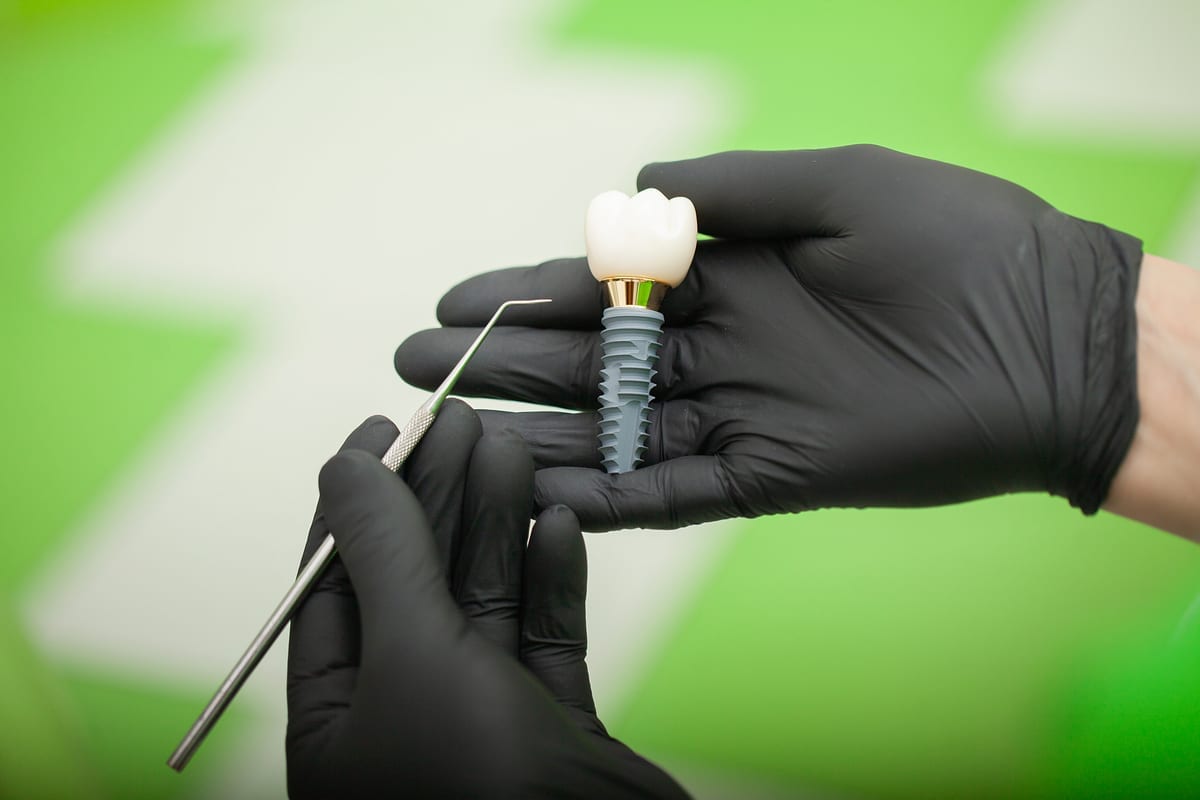
Before comparing the two, it helps to understand what each restoration actually does. A dental crown is a cap that covers the entire visible portion of a tooth. It restores the tooth’s shape, strength, and function from all angles. A veneer, on the other hand, is a thin shell of porcelain or composite that bonds only to the front surface of a tooth. Veneers are primarily cosmetic. Crowns serve both cosmetic and structural roles.
Think of it this way: a veneer is like a new facade on a building. A crown is more like rebuilding the entire outer structure. Both can look beautiful. But they are designed for entirely different situations. Your dentist’s clinical findings — not aesthetics alone — will determine which one makes sense for your tooth.
Crowns vs. Veneers: The Clinical Criteria Your Dentist Follows in Bellevue
Dr. Monda evaluates several clinical factors before recommending either restoration. The condition of the existing tooth structure is the most important factor. A tooth that is significantly weakened, cracked, or decayed needs full coverage. A veneer simply cannot provide that level of protection. The crown wraps around the entire tooth, distributing chewing forces evenly and preventing further fracture.
Veneers are the right choice when the underlying tooth is structurally sound. They work best for correcting cosmetic issues like staining, minor chips, slight gaps, or mild misalignment. Because veneers require removing only a small amount of enamel, they are a more conservative option when the tooth doesn’t need structural support. Patients interested in Cosmetic Dentistry at our Bellevue practice often start this conversation during their smile evaluation.
Here is a quick summary of the key clinical criteria:
- Crown is recommended when: the tooth has a large filling, significant decay, a crack, has had a root canal, or is badly worn down
- Veneer is recommended when: the tooth is structurally intact and the concern is primarily cosmetic — color, shape, or minor surface imperfections
- Crown may also be used when: a tooth needs to anchor a dental bridge or has very little natural structure remaining
- Veneer may not be suitable when: the patient grinds their teeth heavily, has severe misalignment, or has very little enamel left
When Tooth Damage Makes the Decision for You
Sometimes there is no choice to make — the tooth tells the dentist exactly what it needs. A tooth that has undergone root canal treatment loses a significant amount of its natural structure. Without a crown, that tooth is at serious risk of fracturing. This is one of the most clear-cut clinical reasons to choose a crown. No veneer could adequately protect a tooth in that condition.
Similarly, a tooth with a crack that extends below the gumline requires a crown to hold it together. A veneer only covers the front surface. It cannot stabilize a cracked tooth or prevent the crack from spreading. Leaving a cracked tooth without proper coverage can lead to much more serious problems, including tooth loss. Dr. Monda takes a conservative approach and always aims to save the natural tooth whenever possible.
Severe decay is another factor that eliminates the veneer option. When decay has consumed a large portion of the tooth, a crown becomes necessary to rebuild and protect what remains. Patients who also need Cosmetic Dental Bonding for minor chips or surface repairs may find that bonding is a third option for smaller cosmetic corrections that don’t require either a crown or a veneer.
Cosmetic Goals and How They Influence the Choice
When a patient’s primary concern is appearance, the conversation shifts. Veneers are the gold standard for smile transformations involving healthy teeth. They can correct discoloration that doesn’t respond to whitening. They can close small gaps, reshape teeth that are slightly uneven, and restore a natural, symmetrical look. Because they are minimally invasive, many patients prefer them when their teeth are otherwise healthy.
However, cosmetic goals alone don’t override clinical needs. If a tooth needs structural support, placing a veneer over it would be doing the patient a disservice. The cosmetic result might look great initially. But without proper support, the tooth could crack or fail down the road. A crown can absolutely deliver a beautiful cosmetic result and provide the structural protection the tooth requires. Modern porcelain crowns are virtually indistinguishable from natural teeth.
Benefits of choosing the right restoration — whether crown or veneer — include:
- Long-lasting results when matched correctly to your clinical needs
- Natural-looking appearance with high-quality porcelain materials
- Protection of remaining healthy tooth structure
- Improved confidence and function in your daily life
- Reduced risk of future damage or tooth loss
What to Expect During Your Consultation at Monda & Weiss in Bellevue
When you come in for a smile evaluation, Dr. Monda will examine your teeth thoroughly. She uses digital X-rays and a full clinical assessment to evaluate the health of each tooth. This process gives her the complete picture she needs to make the right recommendation. She will never suggest a more invasive option when a conservative one will do the job.
During the consultation, you will have the chance to share your cosmetic goals. Dr. Monda listens carefully and explains her clinical reasoning in plain language. She believes that an informed patient is a confident patient. You will always understand why a specific restoration is being recommended before any treatment begins.
The process for either restoration is straightforward. For veneers, the preparation involves removing a thin layer of enamel before bonding the shell. For crowns, more tooth preparation is required to create space for the cap. Both procedures are completed with your comfort as the top priority. Sedation options are available for patients who experience dental anxiety.
Frequently Asked Questions
Can I choose a veneer even if my dentist recommends a crown?
You can always ask questions and discuss your options. However, if Dr. Monda recommends a crown, it is because the tooth requires structural protection that a veneer cannot provide. Choosing a veneer over a crown in those cases could put your tooth at risk of fracturing or failing. She will always explain her clinical reasoning so you fully understand the recommendation.
How long do crowns and veneers last?
With proper care, porcelain crowns typically last 10 to 15 years or longer. Veneers have a similar lifespan when patients maintain good oral hygiene and avoid habits like nail biting or chewing hard objects. Regular dental visits help extend the life of both restorations significantly.
Are crowns more painful than veneers to place?
Neither procedure should be painful. Dr. Monda uses local anesthesia to keep you comfortable throughout the process. Crown preparation does involve more tooth reduction, but patients typically experience only mild sensitivity afterward. Any discomfort after either procedure is usually short-lived and manageable with over-the-counter pain relief.
Can veneers be placed on back teeth?
Veneers are almost always placed on front teeth. Back teeth endure much greater chewing forces, which makes veneers less suitable for those areas. Crowns are the preferred restoration for damaged or weakened back teeth because they provide full coverage and withstand the pressure of chewing more effectively.
How do I know which option is right for me?
The only way to know for certain is through a professional examination. Dr. Kimberle Monda at Monda & Weiss Family Dentistry in Bellevue, PA will evaluate your teeth, discuss your goals, and recommend the restoration that best fits your clinical needs and cosmetic expectations. Book Now to schedule your appointment with our team.