534 Lincoln Ave, Bellevue, PA 15202


Dental Implants vs. Dentures vs. Bridges: Which Is Right for You
Losing a tooth — or several — can feel overwhelming. You want to restore your smile, but the options seem confusing. Understanding dental implants vs. dentures vs. bridges, which is right for you in Bellevue, is the first step toward making a confident decision. At Monda & Weiss Family Dentistry, Dr. Kimberle Monda helps patients evaluate every option based on their unique needs, lifestyle, and oral health.
This article breaks down all three tooth replacement options clearly. We’ll look at how each one works, who it’s best suited for, and what to expect. By the end, you’ll have a much clearer picture of which path makes the most sense for you.
Understanding Your Three Main Tooth Replacement Options in Bellevue
When you lose a tooth, you have three primary ways to restore your smile. Each option differs in structure, longevity, cost, and candidacy requirements. Knowing the basics helps you ask better questions at your next dental visit.
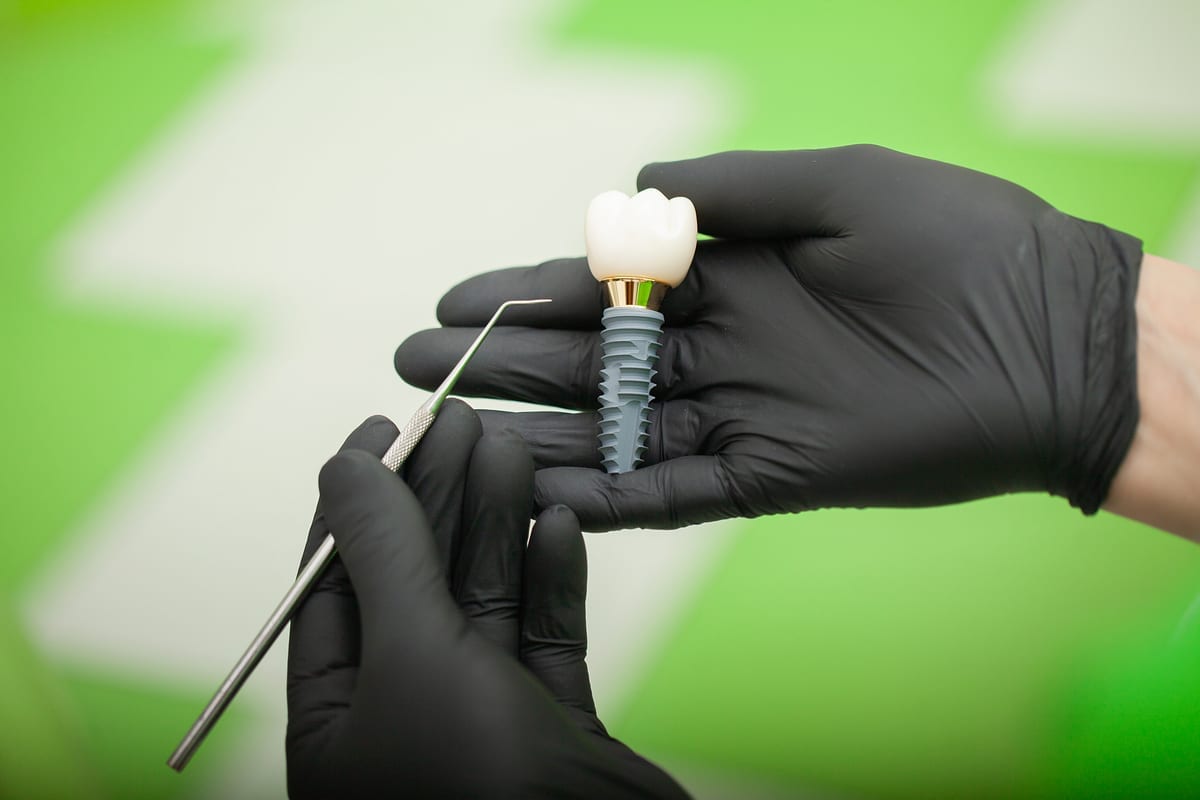
Dental implants are titanium posts surgically placed into your jawbone. They act as artificial tooth roots. A crown is then attached on top, creating a restoration that looks and functions like a natural tooth.
Dental bridges fill the gap left by a missing tooth using crowns on neighboring teeth as anchors. A false tooth — called a pontic — sits in between. Bridges are fixed in place and don’t require surgery.
Dentures are removable appliances that replace multiple missing teeth or an entire arch. They rest on your gums and can be taken out for cleaning. Partial dentures replace a few teeth, while full dentures replace an entire row.
Dental Implants vs. Dentures vs. Bridges: Comparing the Key Differences
Choosing between these three options isn’t just about cost. It’s about fit, function, and long-term oral health. Here’s a side-by-side look at what sets each option apart.
- Longevity: Implants can last a lifetime with proper care. Bridges typically last 10–15 years. Dentures may need replacement every 5–10 years.
- Bone health: Only implants stimulate the jawbone, preventing bone loss. Bridges and dentures do not provide this benefit.
- Natural feel: Implants feel most like real teeth. Bridges are stable but rely on adjacent teeth. Dentures can shift and may feel less secure.
- Maintenance: Implants are cleaned like natural teeth. Bridges require special flossing tools. Dentures must be removed and soaked nightly.
- Candidacy: Implants require adequate bone density and healthy gums. Bridges need strong neighboring teeth. Dentures work for patients with multiple or total tooth loss.
No single option is universally
Frequently Asked Questions
How long do dental implants last compared to dentures and bridges?
Dental implants are designed to last a lifetime with proper care, often functioning for 25+ years or more. In contrast, dentures typically need replacement every 5-10 years as your jaw shape changes, and bridges usually last 10-15 years before requiring replacement. This longevity makes implants a more permanent solution despite their higher upfront cost.
Are dental implants painful to get?
The implant placement procedure is performed under local anesthesia, so you won’t feel pain during the surgery—only pressure and vibration. Most patients experience mild discomfort during the healing period, which can be managed with over-the-counter pain relievers and typically subsides within a few days to a week. Your dentist will provide detailed aftercare instructions to minimize discomfort.
Do I need bone grafting before getting an implant?
Not everyone requires bone grafting, but it depends on how much jawbone you have. If you’ve been missing teeth for a long time or have experienced significant bone loss, your dentist may recommend grafting to ensure the implant has a strong foundation. A comprehensive examination and imaging will determine whether this additional step is necessary for your situation.
How do I care for dental implants daily?
Caring for implants is similar to caring for natural teeth—brush twice daily, floss around the implant, and use an antimicrobial mouthwash if recommended. Regular dental checkups and professional cleanings are important to ensure the implant and surrounding tissue remain healthy. Avoiding smoking and maintaining good oral hygiene will help your implant last as long as possible.
Can I get a dental implant if I have gum disease?
Active gum disease must be treated before implant placement, as bacteria and inflammation can compromise the implant’s success. Your dentist will address any periodontal issues and ensure your gums are healthy before proceeding with the procedure. Once your oral health is restored, you’ll be a better candidate for a successful implant placement.