534 Lincoln Ave, Bellevue, PA 15202


Do Dental Bridges Need Special Care? Tips to Keep Them Strong and Clean
You finally replaced a missing tooth, and your smile feels complete again. Eating feels easier. Photos look better. Confidence returns. But now a new question pops up: how do you maintain it properly?
Many patients assume a bridge requires complicated routines or special products. The truth is much simpler. While dental bridges do need thoughtful care, they don’t demand anything extreme. They just require consistency and attention to the areas around and underneath them.
In this guide, we’ll walk through what makes a bridge unique, how to clean it correctly, what habits protect it long term, and when to see your dentist. With the right daily steps and professional care, your restoration can stay strong and functional for many years.
What Is a Dental Bridge and Why Does Maintenance Matter?
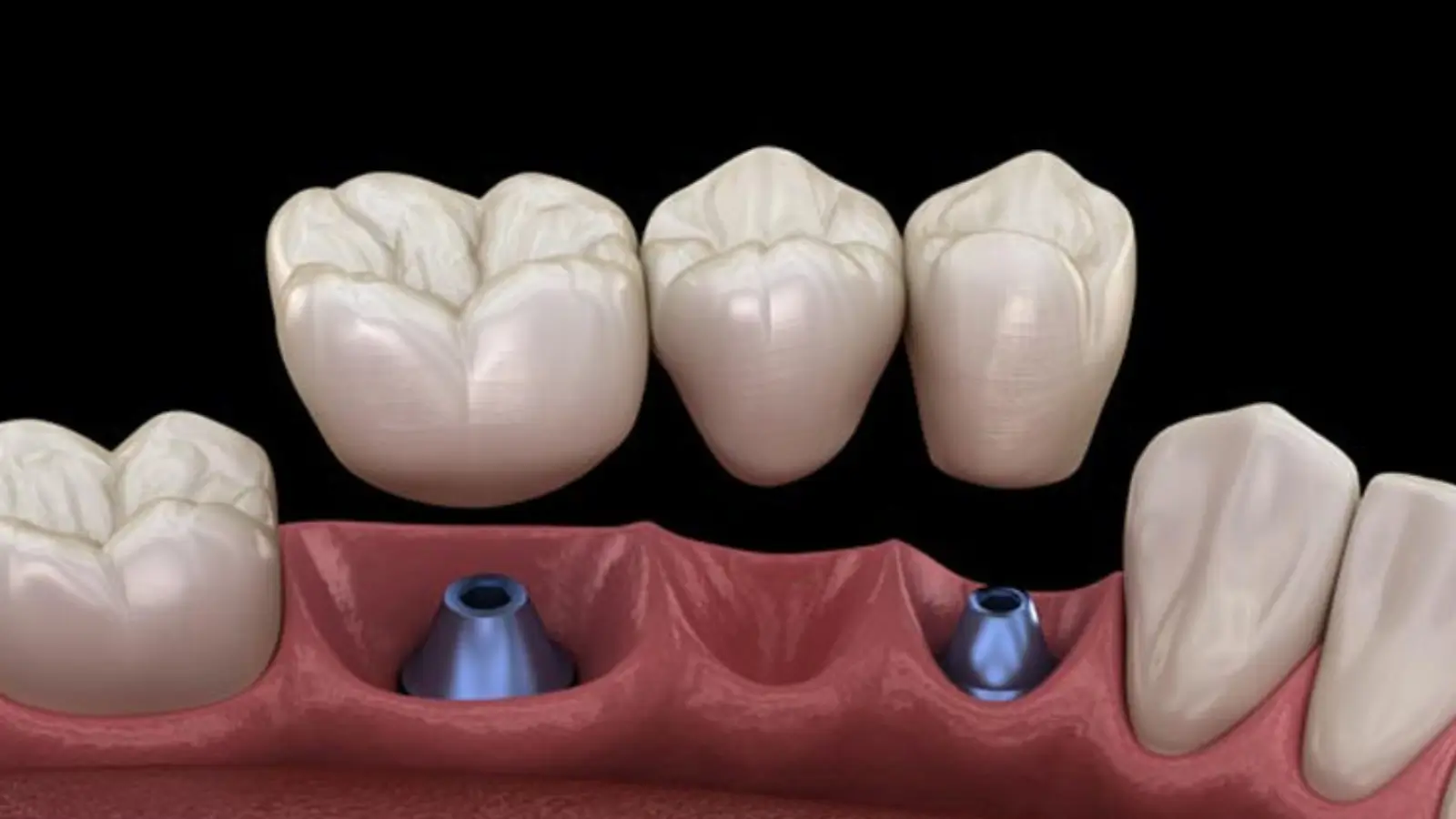
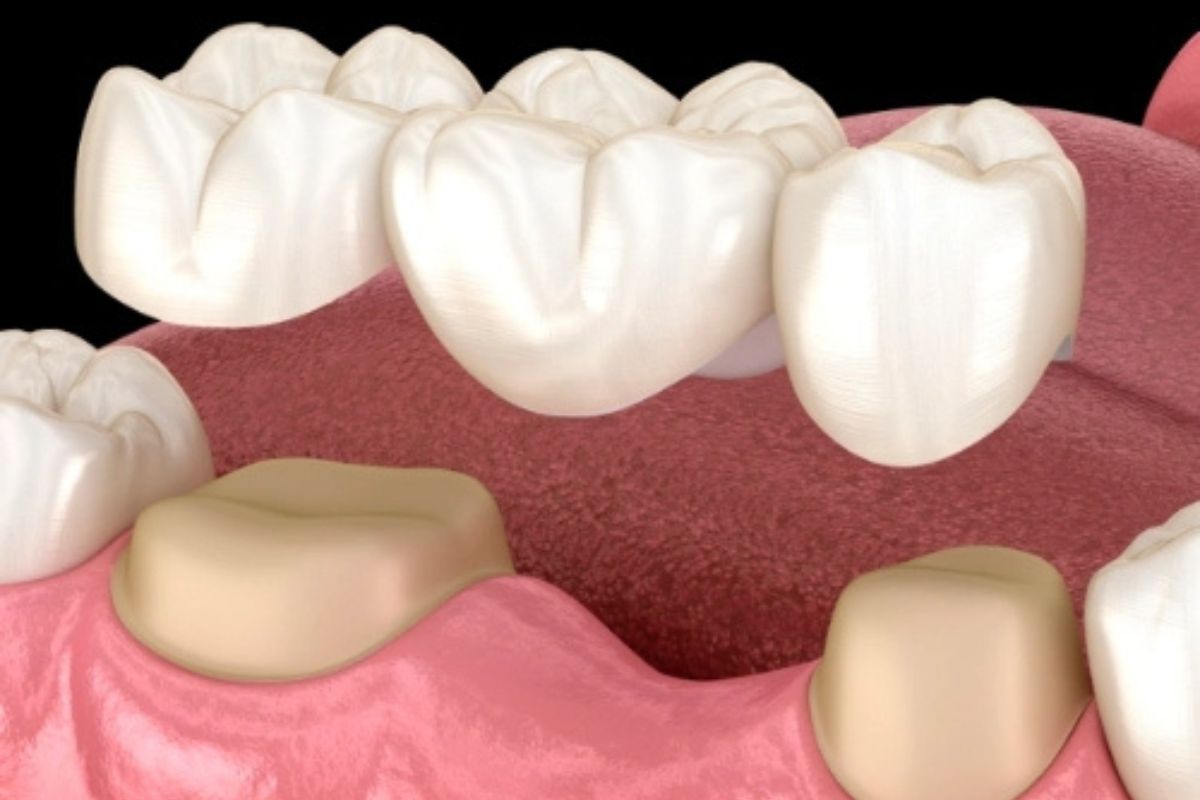
A bridge is a fixed restoration used to replace one or more missing teeth. It “bridges” the space by anchoring an artificial tooth (called a pontic) to neighboring natural teeth or implants. Once placed, it restores your bite, speech clarity, and facial balance.
There are several types of dental bridges in Bellevue:
- Traditional – Supported by crowns on adjacent teeth
- Cantilever – Anchored on one side only
- Maryland – Bonded with metal or porcelain wings
- Implant-supported – Attached to dental implants rather than natural teeth
Each option has its own advantages, but they all share one thing: proper maintenance directly affects longevity.
Plaque can collect around the margins and underneath the pontic. If left undisturbed, this buildup can irritate the gums and weaken the supporting teeth. The bridge itself cannot decay, but the teeth holding it in place can.
When patients ask, “Are bridges permanent?” the honest answer is they are long-term restorations, not lifetime appliances. On average, they last 5 to 15 years, and many last longer with attentive care.
For patients in our area who enjoy local favorites like strolling through Port Jefferson Village or dining along Main Street, keeping your restoration clean ensures comfort and confidence in everyday life.
Do Dental Bridges Require Special Care?
Yes, especially underneath the bridge.
The main difference between caring for natural teeth and a bridge is access. You can’t floss straight down between the artificial tooth and gum the way you would with a natural tooth. That space must be cleaned differently.
Supporting teeth called abutments do most of the work. They hold the restoration securely in place. If these teeth develop decay or gum disease, the entire structure can be compromised. Protecting them is essential.
Key differences to remember:
- Food can collect under the pontic.
- Gum tissue around the bridge needs daily stimulation.
- Supporting teeth require meticulous cleaning along the margins.
Neglecting these areas increases the risk of gum inflammation, bad breath, and potential loosening over time.
The good news is that with the right routine, maintenance becomes simple and predictable.
Daily Cleaning Routine for Dental Bridges
Keeping your restoration strong starts with a consistent, simple routine. With just a few focused steps each day, you can protect the supporting teeth and maintain healthy gums around your bridge.
A. Brushing Technique
Use a soft-bristled toothbrush to clean gently but effectively. A hard brush may irritate your gums or wear down the margins where the bridge meets natural teeth. Choose a fluoride toothpaste to help strengthen enamel on the supporting teeth.
Angle the bristles toward the gumline and use small, circular motions. Pay close attention to the area where the bridge connects to neighboring teeth. This is where plaque often collects. Brushing twice daily for two full minutes keeps surfaces smooth and bacteria under control.
B. Flossing Under the Bridge
Unlike natural teeth, you cannot floss straight down between the pontic and the gum. Instead, use a floss threader or super floss to guide the floss underneath the bridge. Gently move it back and forth to remove trapped food and plaque.
If recommended by your dentist, a water flosser can help flush debris from hard-to-reach areas. This step is essential for protecting the supporting teeth and preventing gum irritation.
C. Interdental Brushes
Small interdental brushes work well around connectors and tight spaces. They are ideal for cleaning areas your toothbrush may miss and help prevent plaque accumulation along the margins.
D. Antimicrobial Mouth Rinse
Finish with a dentist-approved antimicrobial rinse. It reduces bacteria, supports gum health, and leaves your mouth feeling fresh.
With daily attention, your bridge can stay clean, stable, and comfortable for years.
Common Mistakes That Can Shorten the Life of a Bridge
Even durable restorations can fail if daily care is inconsistent.
- Skipping flossing underneath the pontic is the most common mistake. This allows plaque to harden into tartar.
- Using a hard-bristled toothbrush may feel like it cleans better, but it can irritate gums and wear down margins.
- Ignoring bleeding gums is another warning sign. Bleeding often signals inflammation that needs attention.
- Chewing ice or biting hard objects places unnecessary stress on the supporting teeth.
- Finally, delaying routine dental visits prevents early detection of small issues that could otherwise be corrected easily.
Avoiding these habits dramatically increases long-term success.
How Often Should You See Your Dentist If You Have a Bridge?
Regular checkups are essential for long-term stability. Most patients benefit from visits every six months, although some may require more frequent cleanings depending on gum health.
Professional cleanings remove hardened tartar that brushing alone cannot eliminate. Hygienists also focus on cleaning beneath and around the restoration.
Periodic X-rays help evaluate the supporting teeth and detect decay or bone changes early.
Dentists also check the integrity of the cement seal. If loosening is detected early, adjustments can prevent more serious complications.
If you’ve been wondering how to maintain a dental bridge properly, the answer includes professional oversight as much as home care.
At Monda & Weiss Family Dentistry, routine exams are designed to protect restorations and natural teeth alike, ensuring long-term comfort for families in our community.
Signs Your Bridge May Need Attention
Pay attention to subtle changes.
- Sensitivity when chewing
- Persistent bad breath
- Gum swelling or tenderness
- A feeling that the bridge is loose
- Visible gaps at the margins
These signs don’t always mean something serious, but they should be evaluated promptly. Early intervention often prevents more complex treatment later.
If you notice changes, schedule an evaluation sooner rather than waiting. Acting early protects both your supporting teeth and your overall oral health.
How Long Can a Bridge Last With Proper Care?
With consistent hygiene and routine checkups, most dental bridges in Bellevue last 10 to 15 years. Some remain functional for 20 years or more when supporting teeth stay healthy.
Longevity depends less on the material and more on daily habits. Clean margins, healthy gums, and stable abutment teeth create the foundation for durability.
Think of it this way: small daily actions determine long-term results. A few extra minutes each day can protect your smile for decades.
Is a Bridge Harder to Maintain Than Implants?
Both restorations require excellent oral hygiene.
Implants allow flossing between teeth normally, while a bridge requires special attention underneath the pontic. That is the primary difference.
Neither option is “maintenance-free.” Consistency matters in both cases. For many patients, once the technique becomes routine, cleaning a bridge feels completely manageable.
Bridges do not require complicated care. They require consistent and proper hygiene. Brushing carefully, cleaning underneath daily, and keeping up with professional visits dramatically increase longevity. These small habits protect the supporting teeth and keep your smile comfortable.
If you have questions about maintaining your restoration or need guidance on proper technique, schedule a visit to Monda & Weiss Family Dentistry. A proactive approach today keeps your smile strong for years ahead.
FAQs
Can food get stuck under a dental bridge?
Yes, small particles can collect under the pontic. Proper flossing and rinsing prevent buildup and protect the supporting teeth.
How long do dental bridges last?
With proper care and regular checkups, most bridges last 10–15 years, and some last even longer.
Why do my gums bleed around my bridge?
Bleeding may indicate plaque buildup or gum inflammation. Improved cleaning and a dental evaluation can help resolve it.
Should I avoid certain foods with a dental bridge?
Avoid chewing ice or very hard foods. These can place unnecessary pressure on the supporting teeth.
How often should I see the dentist with a bridge?
Routine exams every six months help ensure the bridge and supporting teeth remain healthy.