534 Lincoln Ave, Bellevue, PA 15202


Why Implant-Supported Dentures Are More Stable Than Traditional Dentures
Have you ever felt your dentures shift while enjoying a meal at a local café or speaking with friends at a community event? That subtle movement can quickly turn into discomfort or embarrassment. Many people who wear traditional dentures struggle with slipping, clicking sounds, sore spots, and the daily hassle of adhesives. Over time, what once felt secure may begin to feel unreliable.
Modern dentistry offers a different solution. Implant-supported dentures are designed to provide stronger stability and improved function. At Monda & Weiss Family Dentistry, we often meet patients who are tired of dealing with loose-fitting dentures and want something that feels more natural.
In this guide, you’ll learn why this advanced option offers better stability, improved comfort, and long-term benefits for your smile and overall oral health.
What Are Traditional Dentures?
Traditional dentures are removable prosthetic teeth designed to replace multiple missing teeth. They rest directly on the gums and are shaped to fit over the natural contours of your jaw. Most rely on suction to stay in place, and many patients use adhesive creams for added support.
Initially, traditional dentures can fit well and restore appearance. However, their stability depends heavily on gum health and jawbone shape. As the mouth changes over time, the fit can loosen. Dentures do not attach to the bone itself, which means they shift slightly during chewing or speaking.
Another important factor is bone shrinkage. When teeth are missing, the jawbone gradually loses stimulation and begins to resorb. As the bone shrinks, dentures may no longer sit securely. This is why many patients eventually notice movement, discomfort, or the need for frequent adjustments.
Understanding this foundation helps explain why stability becomes a concern for long-term denture wearers.
Why Do Traditional Dentures Become Loose Over Time?
The primary reason dentures loosen is natural jawbone resorption. When natural teeth are removed, the bone that once supported them no longer receives stimulation. Without that stimulation, the body begins to break down the bone tissue. This process continues gradually for years.
As the jawbone shrinks, the gum tissue changes shape. Dentures that once fit snugly begin to feel unstable. You may notice them lifting while eating or shifting during conversation. Even normal chewing pressure accelerates these changes because force is applied to the gums rather than anchored into bone.
Over time, many patients require relines or adjustments to improve the fit. While relining can temporarily help, it does not stop bone loss. Adhesives may offer short-term support, but they are not a structural solution. They simply help compensate for an increasingly loose fit.
This cycle can become frustrating. As bone levels continue to decline, stability decreases. Eating tougher foods becomes difficult. Speech may feel less secure. These ongoing changes highlight why many patients begin exploring alternatives that provide a more stable foundation.
What Are Implant-Supported Dentures?
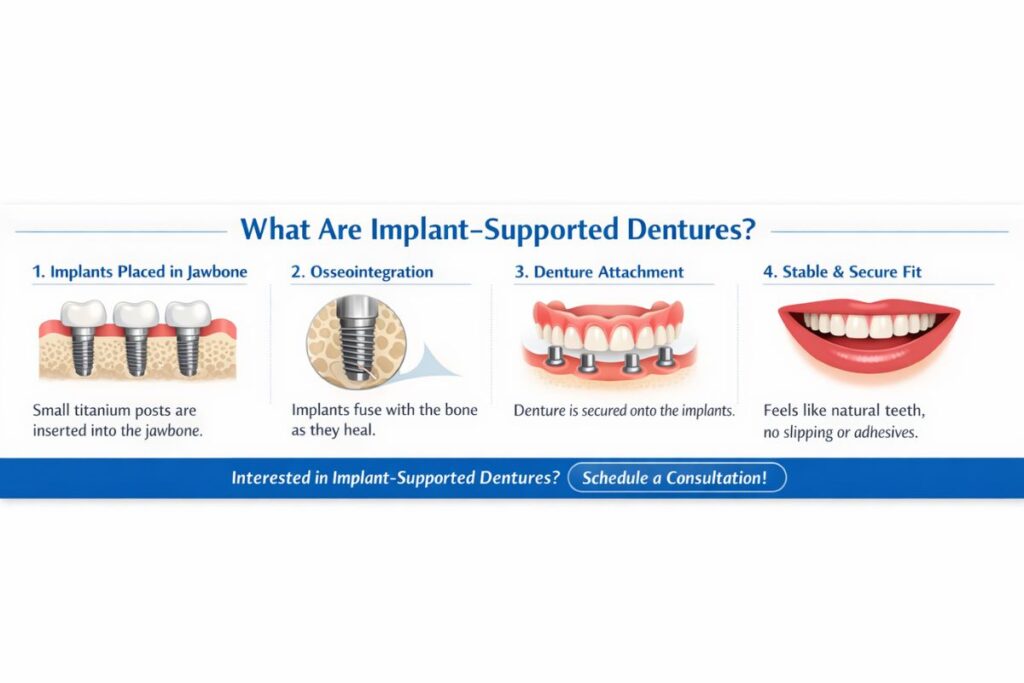
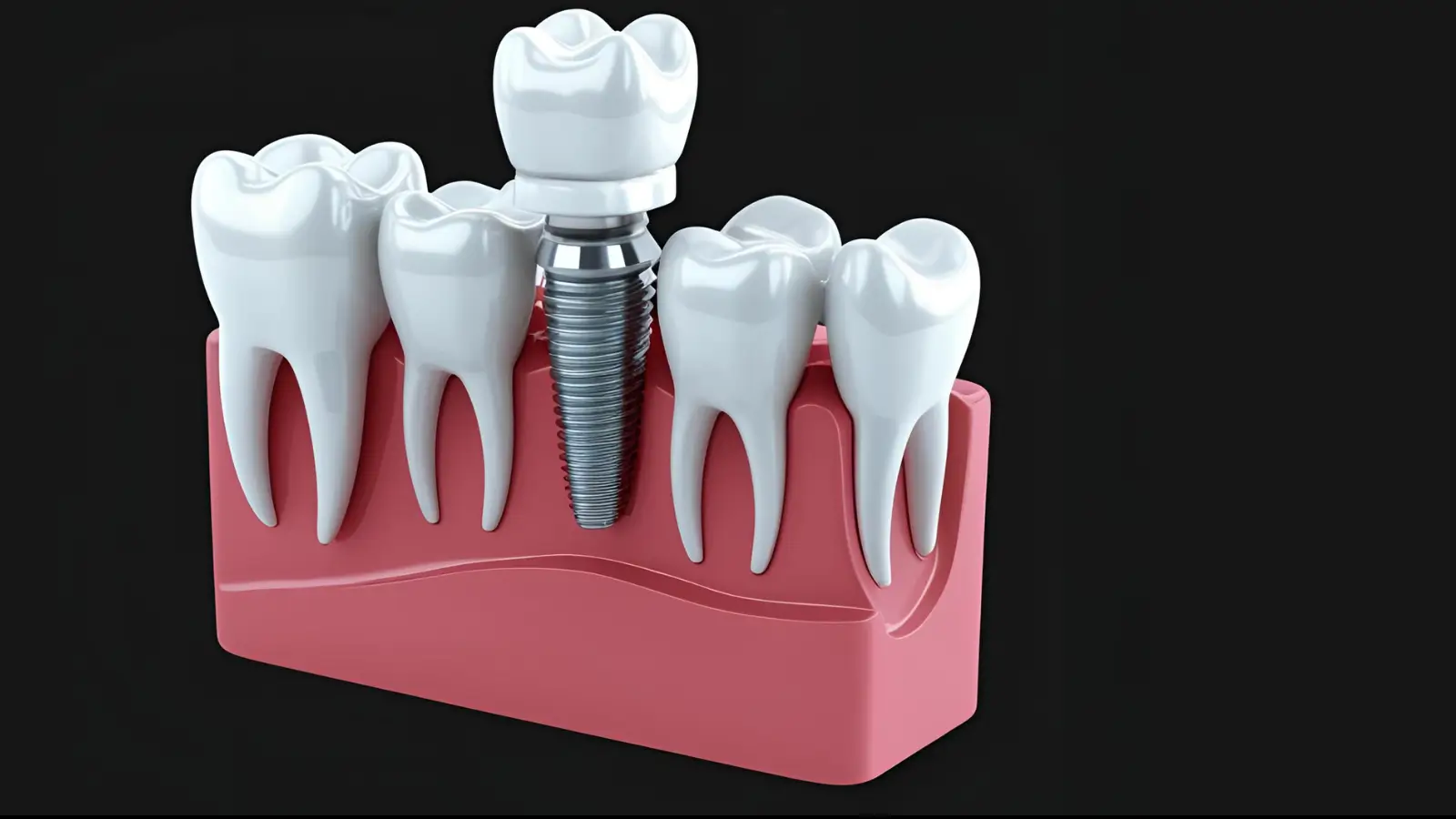
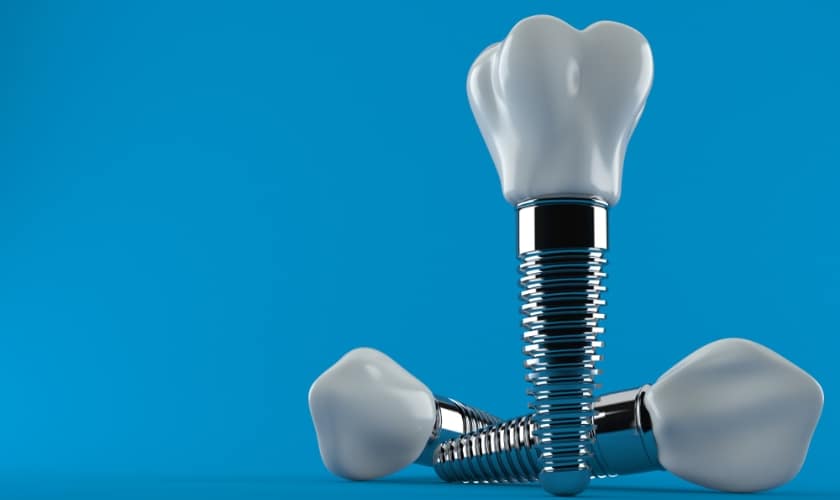
Implant-supported dentures are anchored to small titanium posts placed directly into the jawbone. These posts function similarly to artificial tooth roots. Over time, the titanium integrates with the surrounding bone in a process called osseointegration.
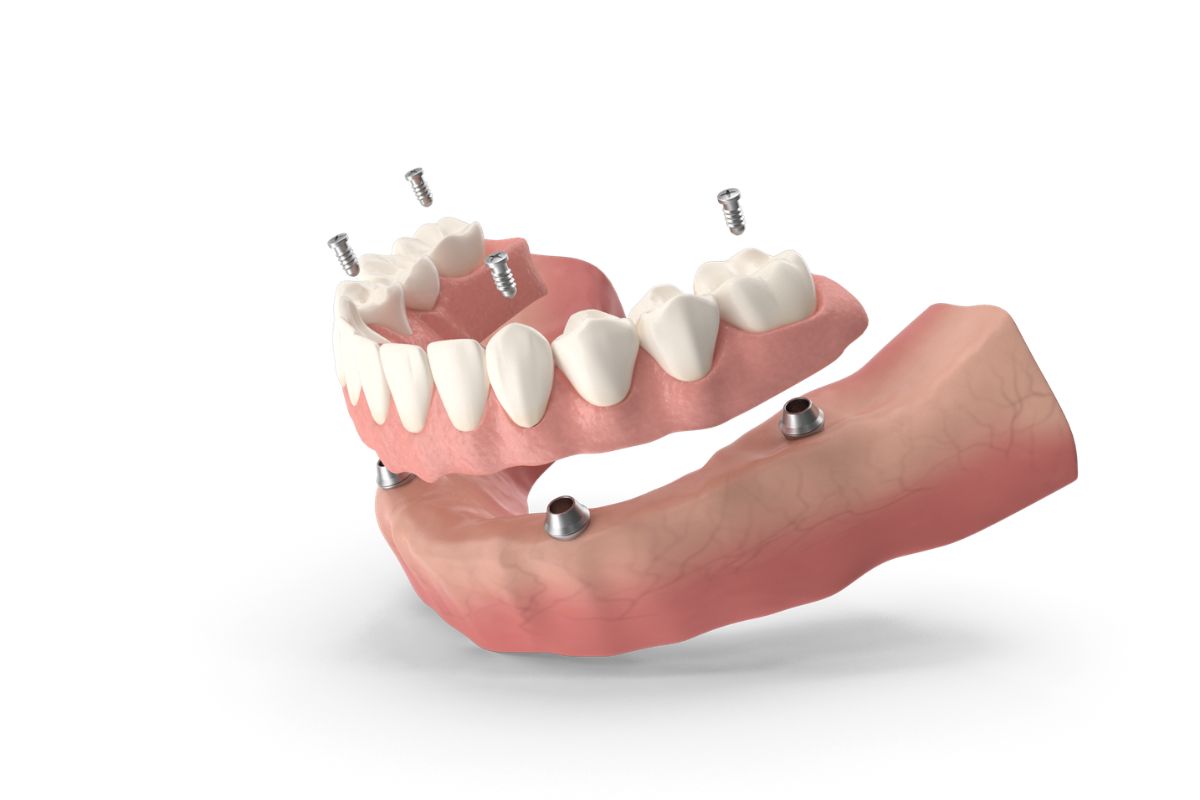
Once healing occurs, a denture is securely attached to the implants. Depending on your needs, it may snap into place or be fixed permanently. Unlike traditional dentures, this system does not rely on suction or adhesives.
Because the implants connect directly to bone, they provide structural support that traditional dentures cannot. Many patients searching for solutions involving dental implants in Bellevue discover that implant-supported dentures offer the stability they have been missing. Instead of resting on the gums, the denture becomes anchored in a way that mimics natural teeth.
Why Implant-Supported Dentures Are More Stable
How Do Implants Prevent Slipping?
Implants are anchored directly into the jawbone. This connection creates a stable base that prevents movement. There is no reliance on suction or messy adhesives. The locking mechanism between the denture and implants keeps everything securely in place during daily activities.
How Do Implants Preserve Jawbone?
Because implants function like natural roots, they stimulate the jawbone during chewing. This stimulation helps reduce bone shrinkage over time. Maintaining bone levels supports facial structure and prevents the sunken appearance sometimes associated with long-term denture wear.
Why Is Chewing Stronger With Implants?
Implant-supported dentures allow for improved bite force. Many patients feel comfortable eating foods they previously avoided. Since pressure is distributed through the implants into the bone, the gums experience less strain.
How Do They Improve Speech?
When dentures no longer shift, speech becomes clearer. Words form more naturally without fear of movement. Patients often report greater confidence in conversations, presentations, and social gatherings throughout the community.
Comparison Between Implant-Supported Dentures and Traditional Dentures
Stability is one of the most noticeable differences between these options. Traditional dentures may slip during meals or conversation, especially as bone levels decline. In contrast, implant-supported dentures remain firmly anchored because they attach directly to the jawbone.
Bone preservation is another key factor. Traditional dentures do not prevent bone shrinkage, which contributes to long-term changes in facial structure. Implant-supported dentures stimulate the bone, helping maintain its volume and density.
Adhesive use also separates the two. Many traditional denture wearers rely on creams or pastes daily. Implant-supported dentures eliminate this step, simplifying your routine.
Chewing strength is significantly improved with implants. Traditional dentures limit bite force and may restrict food choices. With dental implants in Bellevue, patients often regain a stronger, more comfortable chewing ability.
Finally, longevity differs. Traditional dentures often require periodic replacement as the fit changes. Implant-supported dentures, built on a stable foundation, offer a long-term solution designed to support both function and oral health.
Are Implant-Supported Dentures Worth It Long-Term?
When considering long-term value, stability and durability matter. Implant-supported dentures typically require fewer relines and adjustments because the bone is preserved. This reduces the cycle of ongoing modifications.
Patients often describe a noticeable improvement in quality of life. Eating feels easier. Social interactions become less stressful. Confidence increases when you no longer worry about movement.
There are also oral health advantages. By preserving bone and distributing pressure properly, implants support the overall structure of the jaw. Many patients who explore options involving dental implants find that the long-term functional benefits outweigh temporary solutions.
The goal is not simply replacing teeth but restoring stability, comfort, and confidence for years to come.
Who Is a Good Candidate?
Ideal candidates are individuals frustrated with loose dentures. If adhesives are part of your daily routine, you may benefit from a more secure option.
Patients with adequate bone levels are often strong candidates. Even if bone loss has occurred, grafting procedures may help create the necessary foundation. Those seeking a more permanent solution or improved chewing comfort should consider an evaluation.
At Monda & Weiss Family Dentistry, we assess each case individually to determine whether implant-supported dentures are appropriate for your needs.
What Is the Process Like?
The process begins with a detailed consultation. Your dentist will review your medical history and discuss goals. Advanced imaging allows precise planning and evaluation of bone levels.
If suitable, implants are placed in the jawbone under local anesthesia. Healing time allows the implants to integrate securely with the bone. During this period, temporary solutions ensure comfort and function.
Once healing is complete, the final denture is attached. The result is a secure, stable restoration designed to function naturally. Throughout the process, the team at Monda & Weiss Family Dentistry focuses on comfort, clear communication, and careful planning to support successful outcomes.
Living with unstable dentures can affect more than your smile. It influences how you eat, speak, and engage with others. Implant-supported dentures provide improved stability, enhanced comfort, and better function while supporting long-term oral health.
If you’re ready to explore a more secure solution, schedule an evaluation at Monda & Weiss Family Dentistry. Discover how modern treatment options can restore confidence and bring lasting stability back to your daily life.
FAQs
How long does the entire process take?
The process can take several months, including healing time to allow the implants to integrate with the bone.
How long do implant-supported dentures last?
With proper care, implants can last many years. The denture portion may need periodic maintenance over time.
Do implant-supported dentures improve chewing ability?
Yes. They provide stronger bite force and better stability, allowing you to enjoy a wider range of foods comfortably.
Can smokers get implant-supported dentures?
Smoking can affect healing and implant success. Your dentist will evaluate your overall health and discuss potential risks before treatment.
How soon can I eat after getting implants?
Soft foods are recommended during the healing phase. Once fully integrated, most patients can return to a normal diet.