534 Lincoln Ave, Bellevue, PA 15202


Why Teeth Whitening Doesn’t Have to Mean Painful Sensitivity
Many Bellevue residents want a brighter smile but dread one thing: sensitivity. The good news is that why teeth whitening doesn’t have to mean painful sensitivity in Bellevue is a question with a real, science-backed answer. Modern whitening techniques have come a long way. With the right approach, you can achieve a whiter smile without wincing every time you sip cold water.
At Monda & Weiss Family Dentistry, Dr. Kimberle Monda takes sensitivity seriously. She works with patients to find whitening solutions that are both effective and comfortable. This article explains why sensitivity happens and what you can do about it.
Why Tooth Sensitivity Happens During Whitening
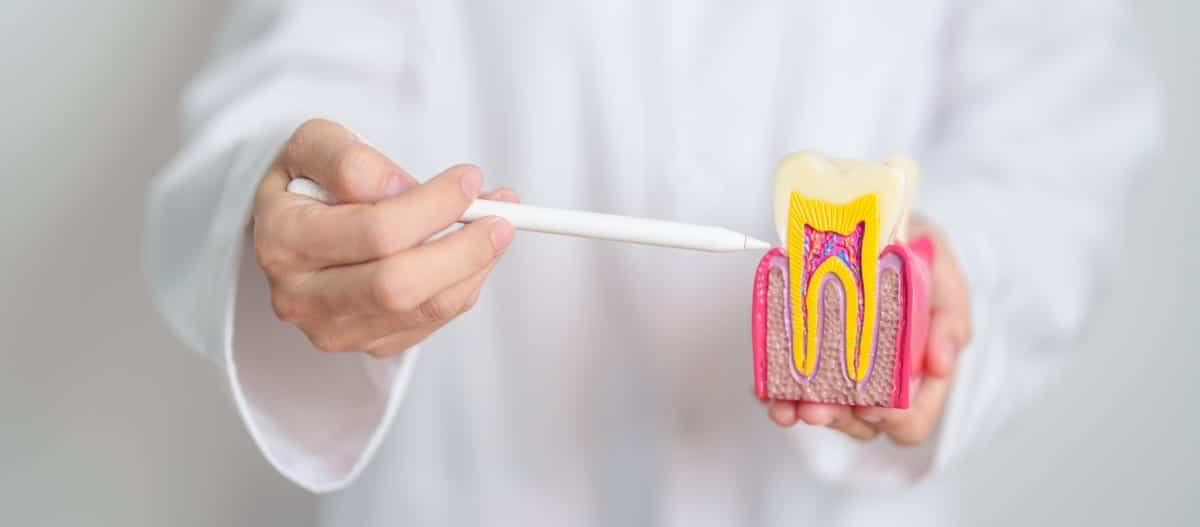
Whitening products use peroxide-based agents to break up stains. These agents work by passing through your enamel to reach discolored molecules underneath. This process can temporarily open tiny channels in your teeth called dentinal tubules. When those channels are exposed, temperature changes and pressure can cause sharp, brief discomfort.
Not everyone experiences the same level of sensitivity. Some patients feel nothing at all. Others notice a mild zing that fades quickly. A smaller group experiences more intense discomfort, especially with high-concentration over-the-counter products.
Key factors that increase sensitivity risk include:
- Naturally thin or worn enamel
- Existing gum recession that exposes root surfaces
- Using whitening products too frequently
- Choosing products with very high peroxide concentrations
- Starting whitening with untreated cavities or cracks
Understanding your personal risk factors is the first step. Dr. Monda always evaluates your oral health before recommending any whitening treatment. That evaluation alone dramatically reduces your chances of experiencing discomfort.
How Professional Whitening in Bellevue Minimizes Sensitivity
Professional whitening differs from drugstore options in several important ways. A trained dentist controls the peroxide concentration used. They apply protective barriers to your gums before treatment begins. They also monitor the process closely and can stop if you feel discomfort.
Dr. Monda offers customized take-home whitening trays as well as in-office options. Custom trays fit your teeth precisely. This prevents the whitening gel from leaking onto gum tissue, which is a common cause of irritation with ill-fitting store-bought trays.
Professional-grade formulas also often contain desensitizing agents like potassium nitrate or fluoride. These ingredients calm nerve endings in your teeth during and after treatment. You get effective whitening with built-in protection from the start.
The benefits of choosing professional whitening include:
- Personalized peroxide concentration based on your sensitivity level
- Custom-fitted trays that protect gum tissue
- Desensitizing agents built into professional formulas
- Expert monitoring throughout the process
- Faster results that reduce total exposure time
What You Can Do at Home to Reduce Whitening Sensitivity
Your habits before, during, and after whitening make a real difference. Brushing with a sensitivity toothpaste two weeks before you start is one of the best things you can do. These toothpastes contain compounds that block dentinal tubules over time. That protective effect carries into your whitening sessions.
During treatment, avoid very hot or very cold foods and drinks. Your teeth are more reactive during active whitening. Even foods you normally tolerate may cause brief discomfort. Sticking to room-temperature meals is a simple way to stay comfortable.
After whitening, give your teeth a recovery window. Do not whiten every day if you notice sensitivity building. Dr. Monda typically recommends spacing sessions to allow enamel to remineralize. Using a fluoride rinse after each session also speeds up that recovery process.
A few additional home tips that help:
- Use a soft-bristled toothbrush during and after whitening
- Avoid acidic foods like citrus and soda on whitening days
- Apply whitening gel only as long as directed — do not extend session time
- Store trays and gel as instructed to maintain product stability
Who Should Be Extra Cautious With Teeth Whitening
Whitening is not right for every patient at every time. Some conditions require treatment before whitening begins. Cavities, cracked teeth, and exposed roots all need attention first. Whitening over untreated damage can cause intense sensitivity and even nerve irritation.
Patients with severe gum recession need special care. Exposed root surfaces do not contain enamel. They are more porous and absorb whitening agents more readily. Dr. Monda may recommend a lower-concentration formula or alternative cosmetic options for these patients.
Pregnant patients are advised to postpone elective whitening. Children and teens should wait until their permanent teeth are fully developed. For young patients, Pediatric Dentistry Bellevue focuses on building a healthy foundation before cosmetic treatments are considered.
If staining is caused by internal tooth discoloration rather than surface stains, whitening alone may not deliver the results you want. In those cases, Dr. Monda may discuss options like Cosmetic Dental Bonding Bellevue, which can mask deeper discoloration without the sensitivity risks of peroxide-based whitening.
Realistic Expectations and Long-Term Results
Whitening is not a one-time permanent fix. Results typically last between six months and two years depending on your diet and oral habits. Coffee, tea, red wine, and tobacco all speed up restaining. Maintaining good brushing habits and scheduling regular cleanings extends your results significantly.
Sensitivity after professional whitening usually resolves within 24 to 48 hours. If discomfort persists beyond that window, contact Dr. Monda’s office. Prolonged sensitivity can signal an underlying issue that needs attention. It is always better to check in early than to push through ongoing discomfort.
Touch-up treatments are typically lighter and shorter than the initial whitening process. Because you are maintaining rather than dramatically changing your shade, less peroxide exposure is needed. That means even less sensitivity over time as you keep your smile bright.
Frequently Asked Questions
Is teeth whitening safe for sensitive teeth?
Yes, whitening can be done safely even if you have sensitive teeth. The key is working with a dentist who can adjust the peroxide concentration and use desensitizing agents. Dr. Monda evaluates every patient before recommending a whitening plan to ensure it is appropriate for your specific needs.
How long does whitening sensitivity last?
Most patients experience sensitivity for 24 to 48 hours after a whitening session. It typically resolves on its own without treatment. Using a sensitivity toothpaste and fluoride rinse can help speed recovery. If sensitivity lasts longer than two days, contact your dentist to rule out any underlying issues.
Can I use over-the-counter whitening strips instead of professional whitening?
Over-the-counter strips can work, but they carry a higher risk of sensitivity because the trays do not fit precisely and the formula is not customized to your teeth. Professional whitening offered by Dr. Monda provides better results with less risk. If you prefer to use strips, speak with your dentist first about how to do so safely.
What is the difference between whitening and dental bonding for stained teeth?
Whitening uses peroxide to lift surface and near-surface stains. Dental bonding applies a tooth-colored resin to cover discoloration, which works better for internal staining or structural imperfections. Dr. Monda can help you determine which option or combination of options is right for your smile goals.
How often should I whiten my teeth?
Most dentists recommend whitening no more than once or twice per year for full treatments. Lighter touch-up applications can be done more frequently. Whitening too often can gradually wear enamel and increase long-term sensitivity. Always follow the schedule recommended by your dentist for the safest and best results.
At Monda & Weiss Family Dentistry, we believe every patient in Bellevue deserves a confident, comfortable smile. Sensitivity should never be a barrier to the results you want. Dr. Kimberle Monda is here to guide you through a whitening experience that is both effective and gentle. Book Now to schedule your appointment with our team.