534 Lincoln Ave, Bellevue, PA 15202


Dental Implant Myths Busted
Too many Ben Avon residents are living with missing teeth — not because they lack options, but because they believe things that simply aren’t true. The 5 dental implant myths that keep patients from smiling in Ben Avon are surprisingly common. At Monda & Weiss Family Dentistry, Dr. Kimberle Monda hears these concerns every week. This article breaks down each myth and replaces it with honest, clear facts.
Why Dental Implant Myths Are So Persistent in Ben Avon
Misinformation spreads fast — especially about dental procedures. Patients hear stories from friends or read outdated articles online. These myths stick because they tap into real fears: pain, cost, and failure. Understanding the truth helps patients make confident, informed decisions about their smiles.
Dental implants have been used successfully for decades. Modern techniques have made the process safer and more comfortable than ever. Yet many Ben Avon patients still hesitate because of stories that don’t reflect today’s dental care. Let’s tackle each myth head-on.
Myth 1: Dental Implants Are Extremely Painful
The Myth: Many patients assume implant surgery will be unbearably painful. This fear alone stops them from ever scheduling a consultation. It’s one of the most common myths Dr. Monda encounters.
The Reality: Most patients report that the procedure is far more comfortable than they expected. Local anesthesia numbs the area completely during surgery. For patients with dental anxiety, sedation options make the experience even more manageable. Monda & Weiss Family Dentistry offers Cosmetic Dentistry solutions alongside sedation to ensure every patient feels at ease.
Post-procedure discomfort is typically mild. Most patients manage it with over-the-counter pain relievers for a few days. Swelling and soreness are normal but short-lived. The long-term result — a permanent, functional tooth — is well worth the brief recovery.
Myth 2: Implants Look Fake and Unnatural
The Myth: Some patients worry that implants will look obviously artificial. They picture bulky, mismatched teeth that scream
Frequently Asked Questions
Are dental implants painful to get?
The implant placement procedure is performed under local anesthesia, so you won’t feel pain during the surgery—only pressure and vibration. Most patients experience mild discomfort and swelling for a few days afterward, which can be managed with over-the-counter pain relievers and ice packs. Once fully healed, implants are completely pain-free and function just like natural teeth.
How long do dental implants actually last?
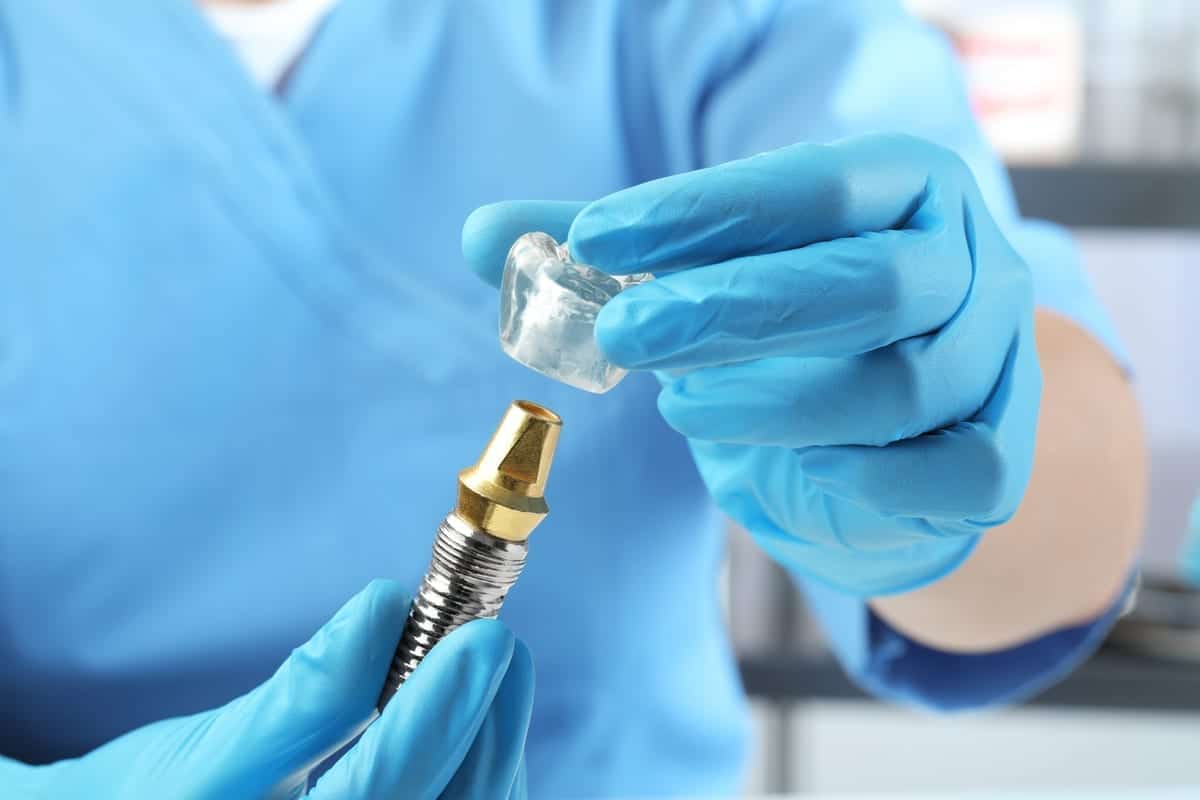
With proper care and maintenance, dental implants can last 25 years or longer, and many patients enjoy them for life. The implant itself is made from titanium, which doesn’t decay or get cavities, making it incredibly durable. Regular brushing, flossing, and professional cleanings are essential to maximize the lifespan of your implant.
Will a dental implant look natural?
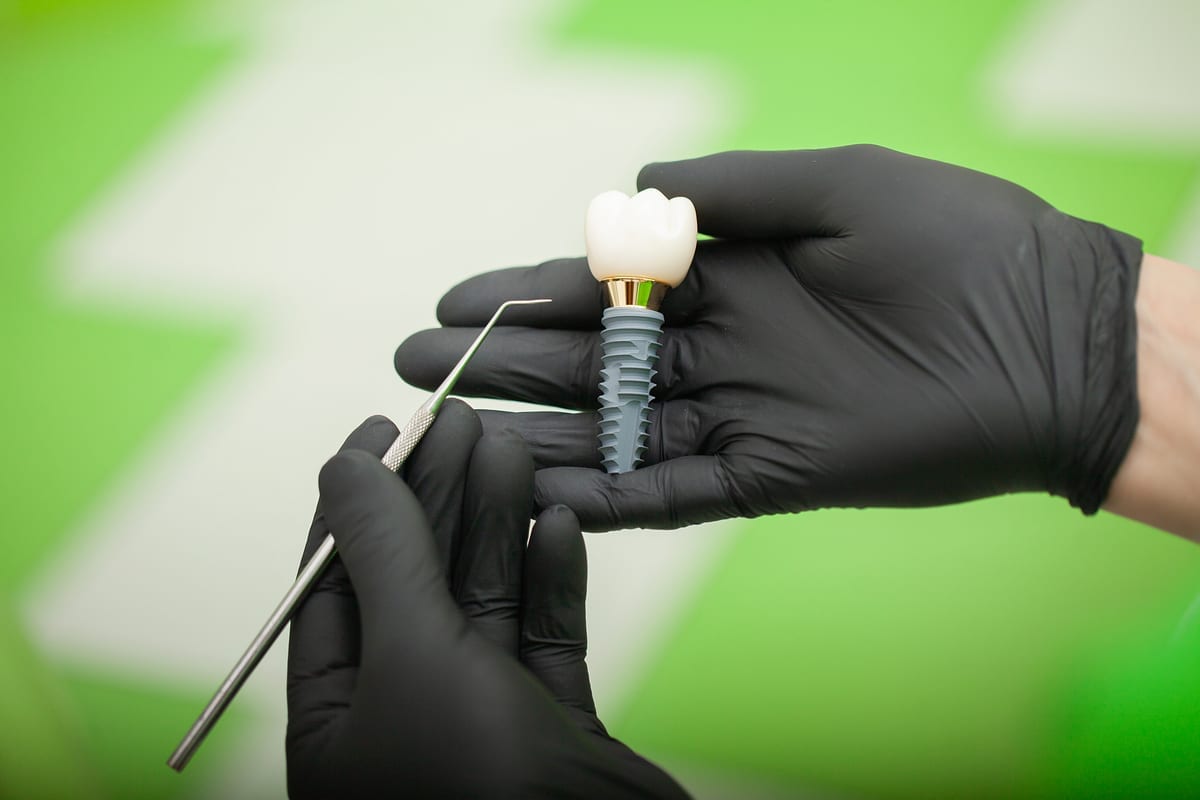
Modern dental implants look and feel virtually indistinguishable from natural teeth because the crown is custom-made to match your existing teeth in color, shape, and size. Your dentist will work with you to ensure the implant blends seamlessly with your smile. Most people won’t be able to tell the difference between your implant and your natural teeth.
Can anyone get dental implants?
Most adults in good overall health are candidates for dental implants, but certain conditions like uncontrolled diabetes or active gum disease may require treatment first. Your dentist will evaluate your bone density, oral health, and medical history to determine if implants are right for you. Even patients with some health concerns can often still receive implants with proper planning.
How much bone loss is too much for an implant?
Significant bone loss doesn’t necessarily disqualify you from getting implants—bone grafting procedures can rebuild the jawbone to support an implant successfully. Your dentist will take X-rays and scans to assess your bone volume and determine if grafting is needed. Modern techniques make it possible to place implants even in cases of substantial bone loss.