534 Lincoln Ave, Bellevue, PA 15202


Dental Implants: What You Need to Know
Dental Implants: A Complete Guide to Replacing Missing Teeth
Losing a tooth can affect more than just your smile. It can change how you eat, speak, and feel about yourself. Dental implants are one of the most effective solutions for replacing missing teeth. At Monda & Weiss Family Dentistry, our dental team wants you to have all the information you need to make confident decisions about your oral health.
What Are Dental Implants?
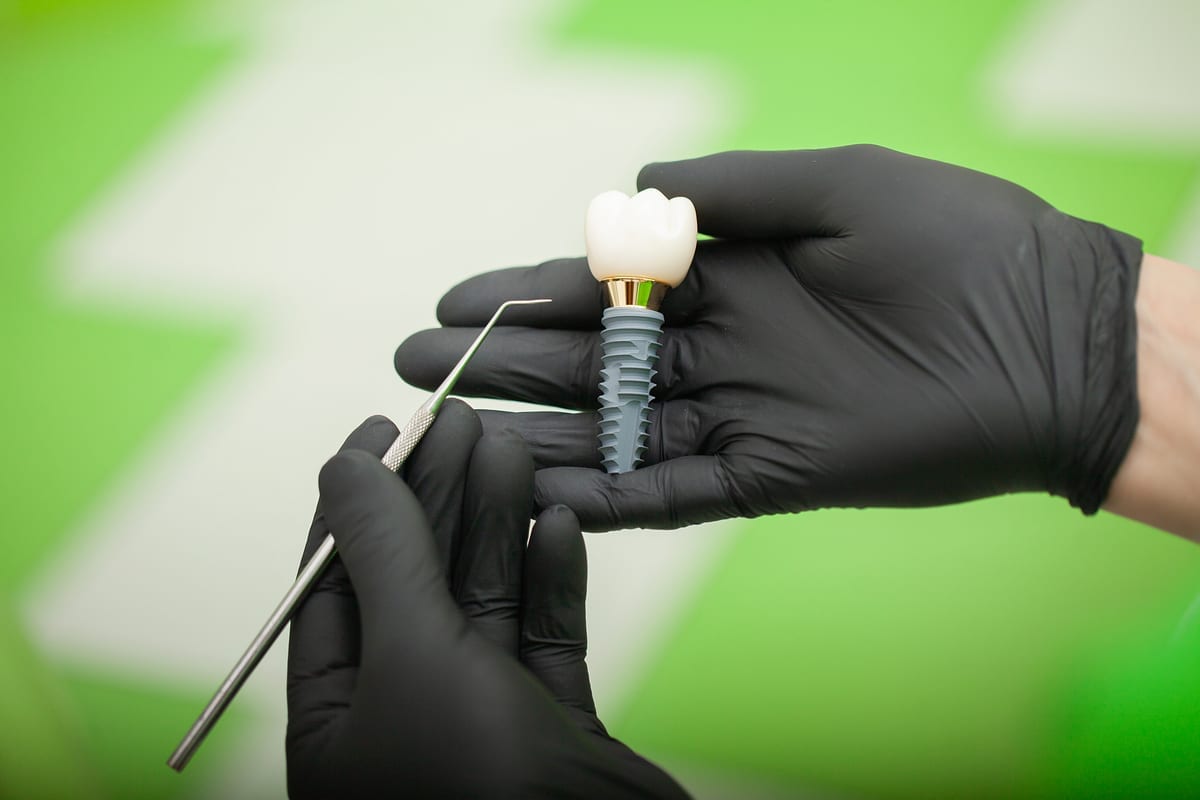
A dental implant is a small titanium post. It is surgically placed into the jawbone beneath the gum line. Over time, it fuses with the bone in a process called osseointegration. This creates a stable, long-lasting foundation for a replacement tooth.
Once the implant integrates with the bone, a connector piece called an abutment is attached. A custom-made crown is then placed on top. The result looks and functions just like a natural tooth. Most people find it difficult to tell the difference between an implant and a real tooth.
Dental implants are not the same as dentures or bridges. They are permanently anchored in the jaw. They do not slip, click, or require adhesives. This makes them a popular and reliable long-term option.
Who Is a Good Candidate for Dental Implants?
Not everyone is immediately ready for dental implants. Several factors determine whether you are a good candidate. A thorough evaluation by our dental team is always the first step. This helps us understand your unique needs and goals.
Good candidates typically share these characteristics:
- They have one or more missing teeth
- They have a fully developed jawbone
- They have adequate bone density to support the implant
- Their gums are healthy and free of active gum disease
- They do not smoke or are willing to quit during healing
- They are committed to good oral hygiene habits
Some patients may need preparatory treatments first. Bone grafting can help those with insufficient jaw density. Treating gum disease before placement is also essential. Our team will guide you through every necessary step.
The Dental Implant Process: Step by Step
Understanding the process can ease any anxiety you might have. Dental implant treatment happens in several stages over a few months. Each stage is important and builds on the last. Here is what you can generally expect:
- Initial Consultation: Our team evaluates your teeth, gums, and bone structure. X-rays and 3D imaging are often used. A personalized treatment plan is created.
- Implant Placement: The titanium post is surgically placed into the jawbone. Local anesthesia is used to keep you comfortable. Most patients report minimal discomfort during this phase.
- Osseointegration: This healing phase typically takes three to six months. The implant gradually fuses with the surrounding bone. This period is critical to the long-term success of the implant.
- Abutment Placement: Once healing is complete, the abutment is attached. This small connector piece holds the final crown in place. A brief healing period follows this step.
- Crown Placement: A custom crown is designed to match your natural teeth. It is secured onto the abutment. Your smile is restored and fully functional.
The total timeline varies from patient to patient. Some cases move faster than others. Your overall health and bone quality play a role. Our team will give you a realistic timeline during your consultation.
Benefits of Dental Implants Over Other Options
Many tooth replacement options exist today. However, dental implants offer several unique advantages. Understanding these benefits can help you make an informed choice. Here is why so many patients choose implants:
- They look and feel like natural teeth
- They preserve jawbone and prevent bone loss
- They do not affect neighboring healthy teeth
- They are easy to clean with regular brushing and flossing
- They can last decades with proper care
- They restore full biting and chewing function
- They support facial structure and prevent a sunken appearance
Traditional bridges require filing down adjacent teeth for support. Dentures can become loose or uncomfortable over time. Dental implants stand on their own without affecting surrounding teeth. This makes them a healthier long-term investment in your oral health.
Bone loss is a serious concern after tooth loss. The jawbone needs stimulation from tooth roots to stay dense. Implants mimic natural roots and provide that stimulation. This helps maintain the shape and strength of your jaw over time.
Caring for Your Dental Implants
One of the greatest advantages of implants is how easy they are to maintain. You care for them much the same way you care for natural teeth. There are no special cleaning routines or adhesives required. Consistent oral hygiene habits are all you need.
Brush at least twice a day with a soft-bristled toothbrush. Floss daily to remove plaque from around the implant. Use a non-abrasive toothpaste to avoid scratching the crown surface. Antimicrobial mouthwash can also help keep the area clean.
Regular dental checkups are essential for long-term implant success. Our team will monitor the health of the implant and surrounding tissue. We can catch any early signs of issues before they become serious. Routine professional cleanings also play a key role in implant longevity.
Avoid habits that can damage implants. Do not chew on ice, hard candy, or pen caps. If you grind your teeth at night, ask our team about a night guard. Protecting your implants means protecting your investment in your smile.
Why Choose Monda & Weiss Family Dentistry for Your Implant Care
Our dental team takes a thorough and patient-centered approach to care. We believe every patient deserves clear information before making treatment decisions. We take time to explain each step of the implant process in plain language. Your comfort and confidence matter deeply to us.
We offer a full range of dental services beyond implants. Whether you need family dentistry, cosmetic care, or restorative treatment, we are here to help. Our goal is to support your oral health at every stage of life. We treat patients of all ages with the same level of attention and care.
If you are curious about whether implants are right for you, we encourage you to reach out. Our team is happy to answer your questions and walk you through your options. A healthy, complete smile is within reach. Learn More about how we can help you.
Frequently Asked Questions
How long do dental implants last?
With proper care, dental implants can last 20 years or more. Many patients keep their implants for a lifetime. The crown on top may eventually need replacement after 10 to 15 years. Regular checkups and good oral hygiene are key to maximizing their lifespan.
Is the dental implant procedure painful?
Most patients are surprised by how manageable the procedure is. Local anesthesia is used during placement to minimize discomfort. Some soreness and swelling are normal in the days following surgery. Over-the-counter pain relievers are usually sufficient for managing post-procedure discomfort.
How do dental implants compare to dentures?
Dental implants are fixed in the jaw and do not move. Dentures sit on the gum surface and can shift during eating or speaking. Implants also help preserve jawbone, which dentures do not. Many patients find implants more comfortable and natural-feeling than dentures.
Can dental implants fail?
Implant failure is uncommon but can occur. Risk factors include smoking, uncontrolled diabetes, and poor oral hygiene. In rare cases, the implant may not fuse properly with the bone. Regular dental visits help detect and address any concerns early.
How do I know if I have enough bone for dental implants?
Our dental team uses X-rays and 3D imaging to assess your bone density. If your bone is insufficient, a bone graft procedure may be recommended first. Bone grafting builds up the jaw to support an implant successfully. Many patients who initially lack sufficient bone can still become good candidates after grafting.