534 Lincoln Ave, Bellevue, PA 15202


Is a Root Canal Necessary? 5 Warning Signs You Shouldn’t Ignore
Tooth pain can be easy to dismiss. Many Bellevue, PA residents assume discomfort will go away on its own. But certain symptoms signal something far more serious. Knowing the 5 warning signs you shouldn’t ignore in Bellevue could save your tooth — and your health.
So is a root canal necessary for you? The answer depends on what your body is telling you. At Monda & Weiss Family Dentistry, Dr. Kimberle Monda helps patients understand their symptoms before small problems become major ones. This article walks you through exactly what to watch for.
What Is a Root Canal and Why Does It Matter?
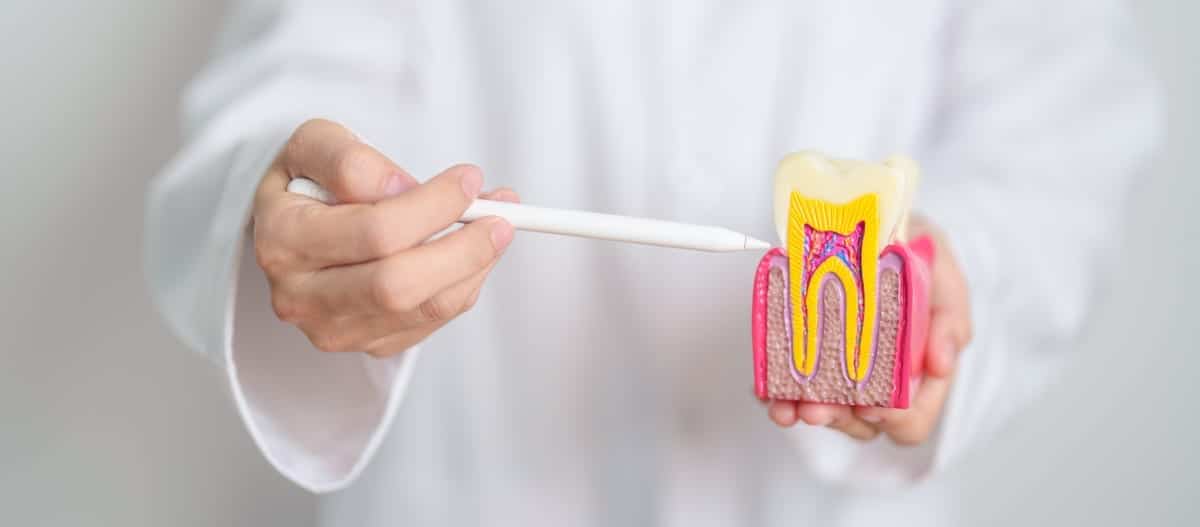
A root canal removes infected or damaged pulp from inside your tooth. The pulp contains nerves and blood vessels. When it becomes infected, the pain can become severe and the infection can spread.
Many people fear root canals more than necessary. Modern techniques make the procedure far more comfortable than its reputation suggests. In fact, most patients say the procedure feels similar to getting a filling.
The real concern is not the treatment itself. It is waiting too long to get one. Delaying care allows bacteria to spread beyond the tooth into surrounding bone and tissue. That makes treatment more complex and recovery harder.
5 Warning Signs a Root Canal May Be Necessary in Bellevue
These five symptoms are your body’s way of asking for help. Do not ignore them. Each one can indicate that the pulp inside your tooth is infected or dying.
- Severe or persistent toothache: Pain that throbs or lingers after eating or drinking is a red flag. Healthy teeth do not hurt without reason.
- Prolonged sensitivity to heat or cold: Sensitivity that lingers for more than a few seconds may indicate nerve damage. Normal teeth recover quickly from temperature changes.
- Darkening or discoloration of the tooth: A tooth that turns gray or dark may signal internal tissue damage. This can happen even without significant pain.
- Swelling or tenderness in nearby gums: Swollen gums near a specific tooth often mean infection is present. You may also notice a small pimple-like bump on the gum.
- Cracked or chipped tooth with pain: Cracks expose the inner pulp to bacteria. If a cracked tooth causes persistent pain, infection may already be developing.
Not every symptom means you definitely need a root canal. Only a professional exam can confirm that. But these signs mean you should contact Dr. Monda right away for an evaluation.
Why Waiting Makes Everything Worse
Dental infections do not resolve on their own. Bacteria continue to multiply inside the tooth and surrounding tissue. Every day you wait, the problem grows more complicated.
An untreated infection can spread into the jawbone. It can move to neighboring teeth. In rare but serious cases, oral infections have spread to the neck and head. This is not meant to alarm you — it is meant to motivate you to act quickly.
Waiting also affects your treatment options. A tooth that could have been saved with a root canal may eventually require extraction. Tooth loss then leads to additional procedures like Cosmetic Dentistry Bellevue solutions or dental implants to restore your smile.
Early treatment nearly always produces better outcomes. It costs less, involves less time in the chair, and results in a healthier mouth overall. Do not let fear of treatment push you toward a worse situation.
What to Expect During Root Canal Treatment at Monda & Weiss
Understanding the process can ease your anxiety. Dr. Kimberle Monda and the team at Monda & Weiss Family Dentistry prioritize patient comfort at every step. Here is a simple breakdown of what happens during treatment.
- Examination and X-rays: Dr. Monda evaluates the tooth and surrounding tissue. Digital X-rays reveal the extent of infection and confirm whether a root canal is needed.
- Local anesthesia: The treatment area is numbed completely. You should feel pressure but not pain during the procedure.
- Pulp removal: The infected pulp is carefully removed. The canals inside the tooth are cleaned and shaped.
- Sealing the tooth: The cleaned canals are filled and sealed to prevent future bacteria entry. A temporary filling is placed while your permanent restoration is prepared.
- Crown placement: Most root canal teeth need a dental crown for strength. Dr. Monda ensures your crown blends naturally with surrounding teeth.
Sedation options are available for patients who feel anxious. Monda & Weiss offers sedation dentistry to make the experience as comfortable as possible. You do not have to white-knuckle your way through dental care.
Caring for Your Tooth After a Root Canal
Recovery from a root canal is typically straightforward. Mild soreness for a few days is normal. Over-the-counter pain relievers usually manage any discomfort effectively.
Avoid chewing hard foods on the treated tooth until your permanent crown is placed. Keep up with brushing and flossing as usual. Attend all follow-up appointments so Dr. Monda can confirm everything is healing properly.
Once your crown is in place, the tooth functions just like any other. Many root canal-treated teeth last a lifetime with proper care. If you are concerned about the appearance of your smile after treatment, ask about Cosmetic Dental Bonding Bellevue options to refine the final result.
Benefits of Treating a Root Canal Promptly
Acting quickly when you notice warning signs gives you significant advantages. Here is what early treatment can do for you.
- Stops the spread of infection to nearby teeth and bone
- Preserves your natural tooth rather than requiring extraction
- Eliminates pain faster and more completely
- Reduces the complexity and cost of overall treatment
- Protects your overall health by removing a source of active infection
- Restores full chewing function sooner
Saving your natural tooth is almost always the best option. No restoration, however good, fully replaces what nature gave you. That is why addressing the warning signs early matters so much.
Bellevue Patients: Do Not Wait to Get Checked
If you are experiencing any of the five warning signs discussed above, now is the time to act. Waiting does not make tooth infections better. It only makes them harder to treat.
Dr. Kimberle Monda and the team at Monda & Weiss Family Dentistry are here to help Bellevue patients get answers quickly. A thorough examination will tell you exactly what is happening and what your best options are. You deserve to know the truth about your dental health without delay.
Prompt care means less pain, better outcomes, and a healthier smile long term. Book Now to schedule your appointment with our team.
Frequently Asked Questions
How do I know if I need a root canal or just a filling?
A filling treats surface decay, while a root canal addresses infection inside the tooth pulp. If you have persistent pain, prolonged sensitivity, or swelling near a tooth, a root canal may be necessary. Only a dental examination with X-rays can confirm which treatment you need.
Is a root canal painful?
Most patients are surprised by how comfortable modern root canal treatment is. The area is fully numbed before the procedure begins. Many patients compare the experience to getting a standard filling. Sedation options are also available at Monda & Weiss for anxious patients.
What happens if I ignore the warning signs and skip treatment?
Ignoring an infected tooth allows bacteria to spread into surrounding bone and tissue. The infection can travel to neighboring teeth and, in serious cases, to other parts of the head and neck. Delaying treatment also reduces the chance of saving the natural tooth and increases overall treatment complexity.
How long does a root canal procedure take?
Most root canal procedures take between 60 and 90 minutes for a single tooth. More complex cases may require a second appointment. Dr. Kimberle Monda will give you a clear time estimate after your initial examination.
Can a tooth that had a root canal get reinfected?
Yes, reinfection is possible if the tooth is not properly sealed or crowned after treatment. A dental crown protects the treated tooth and prevents new bacteria from entering. Following your aftercare instructions and attending follow-up appointments greatly reduces this risk.