534 Lincoln Ave, Bellevue, PA 15202


Understanding the Cost and Value of Dental Implants Ben Avon
Understanding the Cost and Value of Dental Implants Ben Avon
Missing teeth can affect more than just your smile. They impact your ability to eat comfortably, speak clearly, and feel confident in social situations. If you live in Ben Avon, PA, and you’re considering tooth replacement options, dental implants offer a permanent solution that can restore both function and appearance. Understanding the investment involved helps you make an informed decision about your oral health.
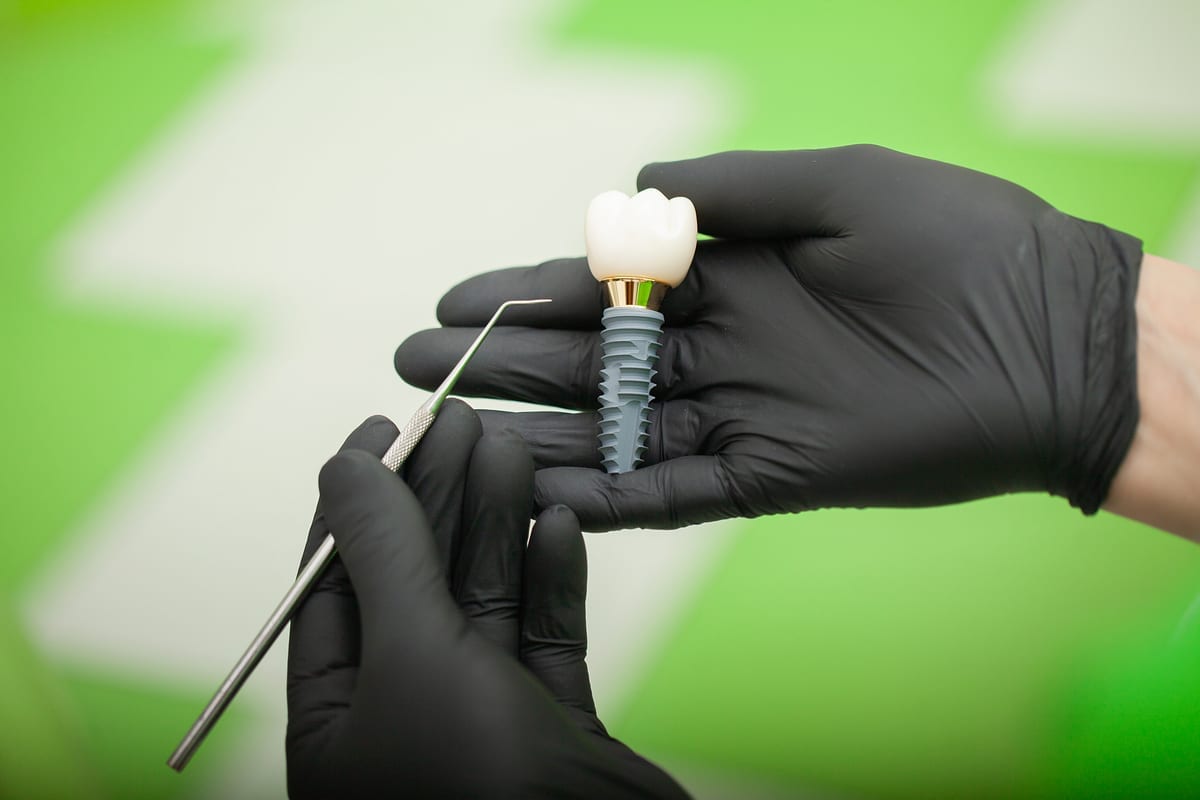
Dental implants Ben Avon patients choose represent a comprehensive approach to tooth replacement. Unlike dentures or bridges, implants replace the entire tooth structure, including the root. This makes them the most durable and natural-looking option available today. But what influences the cost, and how can you make this treatment accessible?
The investment in dental implants varies based on several factors. Rather than focusing solely on price, it’s important to understand the value you receive. This guide breaks down what affects the cost and explores payment options that make implants achievable for families throughout Ben Avon and nearby communities like Bellevue, Avalon, and West View.
What Makes Each Dental Implants Ben Avon Case Unique
No two smiles are exactly alike. Your individual treatment needs significantly influence the overall investment. Some patients need a single tooth replaced, while others require multiple implants or a full-arch restoration. The complexity of your case directly affects the time, materials, and expertise required.
Bone density plays a crucial role in implant success. If you’ve been missing teeth for an extended period, your jawbone may have deteriorated. In these situations, bone grafting becomes necessary before implant placement. This additional procedure adds time and materials to your treatment plan but ensures long-term success.
The location of the missing tooth also matters. Front teeth require careful aesthetic consideration, especially during the restoration phase. Back teeth bear more chewing force and may require different implant specifications. Dr. Kimberle Monda evaluates these factors during your initial consultation to create a personalized treatment plan.
Some patients need additional procedures like sinus lifts or tooth extractions before implant placement. These preparatory steps ensure optimal conditions for implant integration. While they extend the treatment timeline, they’re essential for achieving results that last decades.
Material and Technology Choices That Affect Value
Modern dental implants utilize advanced materials and technology. The implant post itself is typically made from medical-grade titanium or zirconia. Both materials integrate naturally with bone tissue through a process called osseointegration. The choice between materials depends on your specific needs and preferences.
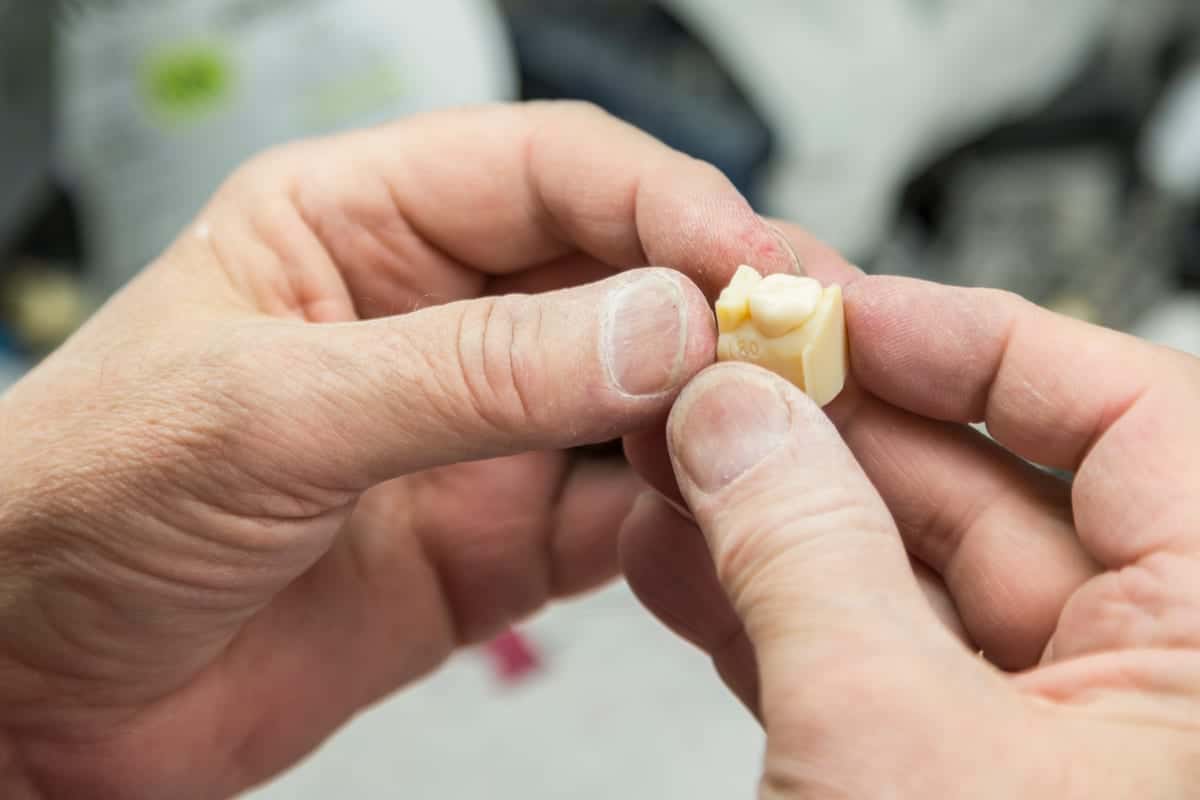
The crown that sits atop the implant also comes in different materials. Porcelain crowns offer exceptional aesthetics and match your natural teeth beautifully. Zirconia provides incredible strength and durability. Your dentist will recommend the best option based on the tooth’s position and your bite force.
Digital technology has revolutionized implant dentistry. 3D imaging and computer-guided surgery improve precision and reduce treatment time. These technologies allow for better planning and more predictable outcomes. While they represent an investment in advanced care, they also enhance your safety and comfort throughout the process.
Some practices use proprietary implant systems, while others work with established brands. Quality implant systems come with warranties and decades of research backing their success rates. At Monda & Weiss Family Dentistry, we use proven systems that deliver reliable, long-lasting results for our patients.
Geographic and Practice-Specific Considerations
Where you receive treatment influences your investment. Dental care costs vary by region due to differences in overhead expenses, laboratory fees, and local economic conditions. Practices in the Ben Avon area balance competitive pricing with the high-quality care western Pennsylvania families expect.
The expertise of your dental team adds significant value. Implant placement requires specialized training beyond dental school. Dentists who regularly place and restore implants develop refined skills that improve outcomes. Experience reduces complications and ensures your treatment proceeds smoothly from start to finish.
As late spring arrives in Ben Avon and families prepare for graduations and summer activities, many patients appreciate the convenience of working with a local practice. You won’t need to travel far for appointments, and you’ll build a relationship with a team that understands your community’s needs and values.
Practice amenities and patient care standards also factor into the overall value. Comfortable treatment environments, attentive staff, and comprehensive follow-up care enhance your experience. These elements contribute to the investment but make your journey more pleasant and successful.
The Comprehensive Nature of Implant Care
The investment in dental implants covers multiple phases of treatment. It’s not simply the cost of the implant itself. Your care includes the initial consultation and diagnostic imaging, the surgical placement procedure, healing time with temporary restorations, and the final crown fabrication and placement.
Each phase requires specific expertise and materials. The surgical phase demands sterile conditions and precise technique. The restorative phase requires artistic skill to create crowns that blend seamlessly with your smile. Follow-up appointments ensure proper healing and address any concerns promptly.
Post-treatment care is essential for long-term success. Your dental team monitors your implants during regular checkups. They provide guidance on proper cleaning techniques and answer questions as they arise. This ongoing relationship protects your investment and ensures your implants function properly for decades.
The value extends beyond the clinical aspects. Successfully restored teeth improve your quality of life. You can eat your favorite foods without worry, smile confidently in photos, and speak clearly during important conversations. These benefits have no price tag but make the investment worthwhile.
Making Dental Implants Accessible Through Flexible Payment Options
Understanding that dental implants represent a significant investment, many practices offer flexible payment solutions. These options make implant treatment accessible to more patients without compromising quality or care standards. You shouldn’t have to choose between your oral health and your budget.
Third-party financing companies specialize in healthcare lending. They offer payment plans with various term lengths and interest rates. Many patients find that spreading payments over time makes treatment more manageable. Application processes are typically quick and can often be completed during your consultation visit.
Some dental practices provide in-house payment plans that let you work directly with the office. These arrangements may offer more flexibility than traditional financing. They eliminate third-party involvement and allow for personalized payment schedules that fit your financial situation.
Health Savings Accounts (HSA) and Flexible Spending Accounts (FSA) provide tax-advantaged ways to pay for dental treatment. If your employer offers these benefits, you can use pre-tax dollars for implant procedures. This reduces your effective cost and makes treatment more affordable.
In-house membership programs are growing in popularity at practices like Monda & Weiss Family Dentistry. These programs offer discounts on various procedures in exchange for an annual fee. They can reduce the overall investment in implant treatment while providing additional savings on routine care.
Evaluating Long-Term Value Beyond Initial Investment
When considering dental implants, look beyond the upfront cost. Calculate the long-term value and compare it to alternative treatments. Implants typically last 25 years or longer with proper care. Some patients enjoy their implants for a lifetime.
Traditional bridges require altering adjacent teeth and typically need replacement every 10 to 15 years. Dentures may need relining or replacement as your mouth changes shape. Over time, these repeated costs add up. Implants avoid this cycle by providing a permanent foundation.
Implants also preserve your jawbone, which naturally deteriorates when tooth roots are missing. This bone preservation maintains your facial structure and prevents the sunken appearance that can develop with long-term tooth loss. The aesthetic and functional benefits compound over the years.
Consider the quality-of-life improvements as part of the value equation. The confidence that comes from a complete smile affects personal and professional relationships. The ability to enjoy meals without restriction impacts your nutrition and social experiences. These intangible benefits enhance your overall wellbeing.
- Implants function like natural teeth, allowing normal eating and speaking
- No dietary restrictions mean you can enjoy all your favorite foods
- Adjacent teeth remain untouched, preserving healthy tooth structure
- Cleaning is straightforward with regular brushing and flossing
- Success rates exceed 95% with proper care and maintenance
Questions to Ask During Your Consultation
Your initial consultation is the perfect time to discuss investment and value. Come prepared with questions that help you understand your specific treatment plan. Ask how many implants you need and whether any preparatory procedures are necessary.
Inquire about the timeline from start to finish. Understanding how long treatment takes helps you plan around work, school, and family commitments. As Ben Avon families head into summer break, many find this an ideal time for the surgical phase when schedules are more flexible.
Discuss the materials and technology your dentist will use. Learn about the implant brand and why it was chosen for your case. Ask about the warranty coverage and what happens in the rare event of implant failure.
Most importantly, explore all available payment options. Be upfront about your budget concerns. Dental teams appreciate honest conversations and will work to find solutions. Many patients are surprised by how accessible implants can be with the right payment arrangement.
- What specific steps are included in my treatment plan?
- How long will the entire process take from consultation to final restoration?
- What materials and technology will be used for my implants?
- What payment options and financing plans do you offer?
- What can I expect during recovery between treatment phases?
Why Local Expertise Matters for Your Implant Journey
Choosing a dental practice near your Ben Avon home offers distinct advantages. You’ll attend multiple appointments throughout your implant journey. Convenient location makes it easier to keep these appointments without disrupting your daily routine.
Local dentists understand the specific needs of western Pennsylvania patients. They’re familiar with the climate considerations that affect healing and oral health. Cold, snowy winters mean patients often prefer completing surgical procedures during milder months when travel is easier.
Building a relationship with your dental team creates continuity of care. The same professionals who place your implants will monitor them during regular checkups. This consistent care improves outcomes and gives you peace of mind. You’re not just a patient number but a valued member of the practice family.
Dr. Kimberle Monda and the team at Monda & Weiss Family Dentistry serve patients throughout Ben Avon, Avalon, Emsworth, and surrounding communities. We combine advanced training with a personal touch that makes every visit comfortable. Our goal is to help you achieve optimal oral health through treatments that fit your lifestyle and budget.
As Mother’s Day approaches and families celebrate the special women in their lives, many consider the gift of a confident smile. Dental implants can be life-changing for someone who’s been living with missing teeth. A consultation is a thoughtful way to explore options and begin the journey toward restoration.
Learn More about how we can help you achieve a complete, confident smile with dental implants tailored to your unique needs and goals.
Frequently Asked Questions
How long do dental implants typically last?
Dental implants can last 25 years or longer with proper care. Many patients enjoy their implants for a lifetime. Success depends on maintaining good oral hygiene, attending regular dental checkups, and following your dentist’s care instructions. The crown may need replacement eventually due to normal wear, but the implant post itself typically remains stable for decades.
What factors influence the investment in dental implants?
Several factors affect the overall investment, including the number of implants needed, case complexity, bone density and whether grafting is required, the materials chosen for implants and crowns, and the technology used during planning and placement. Your dentist will evaluate these factors during your consultation to provide an accurate treatment plan tailored to your situation.
Are payment plans available for dental implant treatment?
Yes, most dental practices offer flexible payment options to make implants more accessible. These may include third-party healthcare financing with various term lengths, in-house payment plans arranged directly with the practice, and the ability to use HSA or FSA funds for treatment. Many offices also offer membership programs that provide discounts on implant procedures and other dental services.
How do dental implants compare in value to other tooth replacement options?
While implants require a higher initial investment, they often provide better long-term value. They typically last much longer than bridges or dentures, which need periodic replacement. Implants preserve jawbone health and don’t require altering adjacent teeth. Over a lifetime, the durability and quality-of-life benefits often make implants more cost-effective than alternatives that require ongoing maintenance and replacement.
What should I expect during the dental implant process?
The implant process involves several phases spread over several months. First, you’ll have a consultation with diagnostic imaging to plan your treatment. The surgical phase involves placing the implant post into your jawbone. A healing period of several months allows the implant to integrate with bone. Finally, your custom crown is created and attached to the implant. Throughout this journey, your dental team monitors your progress and ensures optimal results.